AI in School Education
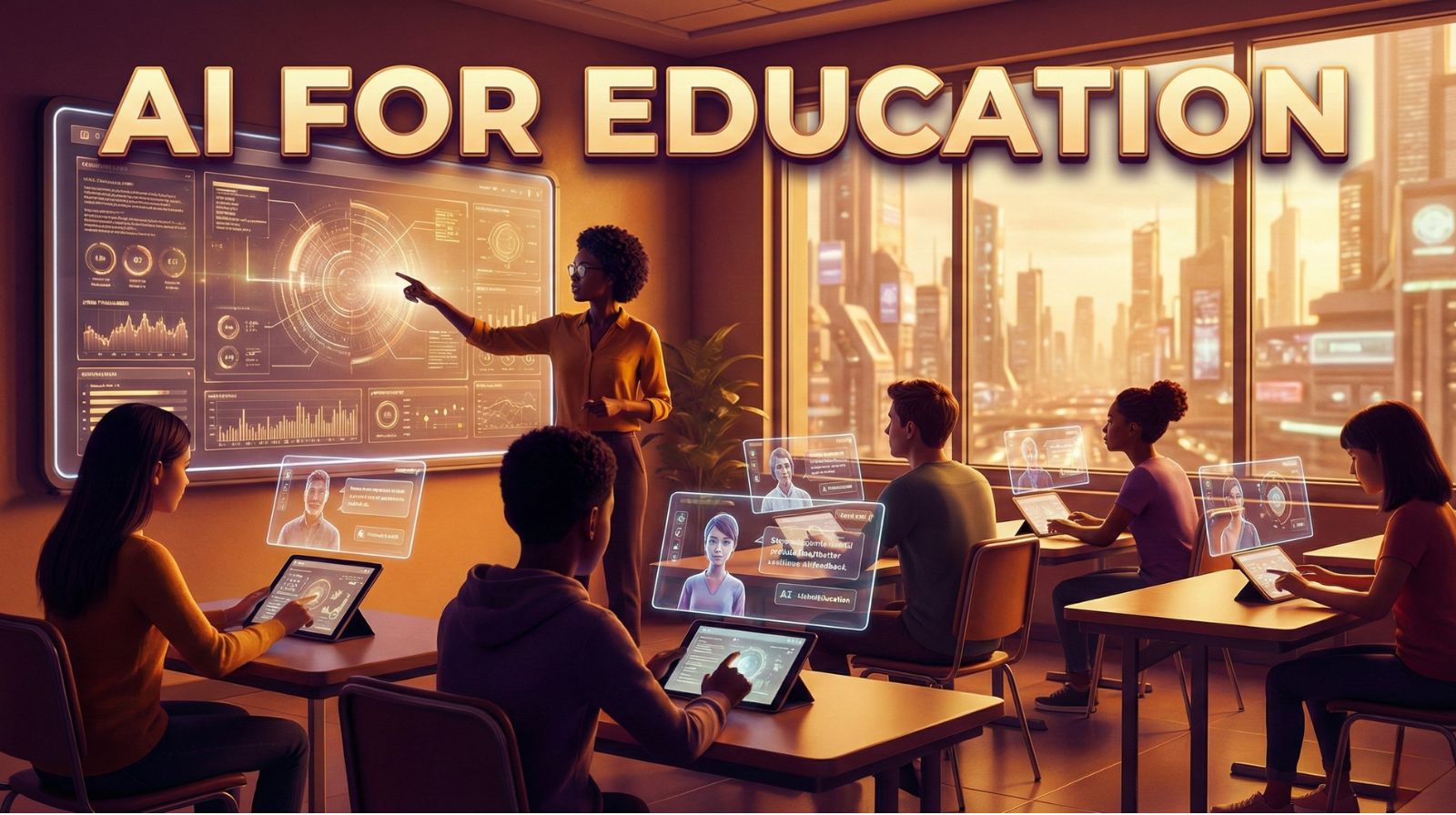
Remember the frustration of being bored in a class that moved too slowly, or feeling completely lost in a lesson that was too fast? This is the core challenge of education: one teacher, thirty unique students.
For decades, Personalized Learning has been the ultimate goal in education, the idea that every student gets a curriculum perfectly tailored to their pace, style, and unique needs. Now, thanks to Artificial Intelligence (AI for Education), this dream is finally becoming a reality.
AI isn’t here to replace teachers; it's here to empower them, turning the classroom into a dynamic, engaging, and hyper-efficient place where every single student can succeed. This is how the AI revolution in education is happening right now, focusing on the human learner above all else.
1. The Engine of Engagement: Adaptive Learning Systems
The biggest game-changer that AI brings to the classroom is its ability to adapt. Traditional textbooks and static online courses treat every learner the same. Adaptive Learning Systems powered by Machine Learning continuously adjust the curriculum in real-time based on the student's performance.
How Adaptive Learning Systems Work
- Continuous Assessment: As a student interacts with the material, the system is constantly assessing performance, not just at the end of a chapter. Did they solve a problem quickly or struggle for 10 minutes? Did they guess the correct answer?
- Dynamic Pacing: If the student masters a concept quickly, the system skips remedial questions and moves them immediately to more complex problems. If they struggle with fractions, the system pauses, presents the concept in a new format (like a video or interactive game), and offers extra practice until mastery is achieved.
- Targeted Review: The AI doesn't just know a student failed; it knows why. It performs a fine-grained Skill Gap Analysis, identifying the exact prerequisite skill that is missing. This allows the system to target and fix only the necessary weaknesses, making study time dramatically more efficient.
This dynamic approach maximizes engagement (less boredom, less frustration) and drives better results, transforming the way students interact with core concepts.
2. Unlocking Potential: AI Tutoring and Intelligent Tutoring Systems
The average teacher is often swamped with grading, administrative tasks, and juggling questions from dozens of students. AI Tutoring tools step in as tireless virtual guides, offering instant help outside of class hours.
These Digital Learning Tools go far beyond simple flashcards. They function as sophisticated Virtual Teaching Assistants, offering immediate, nuanced support:
- Explain Complex Concepts: A student stuck on a physics equation at 11 PM can ask the AI tutor to break it down using a real-world analogy, like explaining kinetic energy using a rollercoaster.
- Provide Instant Feedback: Students receive immediate feedback on short-answer questions or code, allowing them to correct mistakes while the concept is fresh. This instant loop is crucial for reinforcing learning.
- Offer Language Practice: AI can simulate fluent conversational partners, providing invaluable real-time feedback and correction for students learning a new language.
By providing 24/7 personalized support, AI ensures that no student has to wait until the next day to overcome a roadblock, significantly boosting their confidence and independent study habits, a major goal of modern EdTech.
3. AI Grading and Administrative Automation
The truth is, educators spend a huge amount of their time on tasks that don't directly involve teaching. AI's most profound impact is giving teachers back their most valuable resource time. AI functions as an ultimate Virtual Teaching Assistant, managing the administrative load.
- AI Grading: AI grading is one of the most immediate and powerful time-savers for teachers, automating standardized tests, quizzes, objective questions, and even certain open-ended assignments within seconds. By instantly processing results and detecting plagiarism patterns, AI frees up hours each week, allowing educators to focus on high-value tasks that still require human judgment, such as evaluating creative writing and providing deeper, personalized feedback.
- Identifying At-Risk Students: AI can analyze performance and engagement data (attendance, homework submission, test scores) across the entire school to predict, with startling accuracy, which students are most likely to fail or drop out. This allows counselors and teachers to intervene before a crisis occurs.
- Smarter Lesson Planning: AI can suggest and assemble relevant teaching materials, videos, and quizzes tailored to the known learning gaps of a specific class cohort, drastically reducing preparation time.
- Enrollment and Logistics: From managing bus routes to optimizing classroom allocations and scheduling parent-teacher meetings, Administrative Automation handles the logistical nightmares, letting the school focus on its educational mission.
This increased efficiency allows teachers to dedicate their energy to what truly matters: deep classroom discussions, one-on-one mentorship, and developing critical thinking skills, tasks AI cannot replicate.
4. The Future of Education is Collaborative and Human
The goal of Educational Technology (EdTech) isn't to create a hands-off, automated classroom. It's to leverage the precision and speed of Machine Learning to automate the mundane tasks, thereby amplifying the human element.
The shift is clear: Teachers move from being lecturers and graders to becoming mentors, facilitators, and designers of human experience.
| Key Stakeholder | AI Benefit | Impact on Engagement & Results |
|---|---|---|
| Students | Personalized Learning Paths | Higher motivation, lower frustration, faster mastery of skills. |
| Teachers | Administrative Automation (Grading, Planning) | More time for 1:1 mentorship and creative curriculum development. |
| Institutions | Predictive Analytics, Resource Optimization | Better retention rates, efficient use of budget, and measurable student growth. |

5. Conclusion: The New Era of Personalized Learning
The integration of AI for Education into the classroom marks a non-negotiable step forward in Educational Technology (EdTech). By employing Adaptive Learning Systems and Intelligent Tutoring Systems, we finally deliver on the promise of Personalized Learning.
The AI Revolution in Education isn't about replacing the human element; it's about making the human element, the teacher-student bond, stronger. By automating Skill Gap Analysis, providing instant AI-driven Feedback, and leveraging powerful Data Analytics in Education, AI Tutors and Virtual Teaching Assistants are creating a future where high-quality, tailored education is accessible to everyone.
Frequently Asked Questions (FAQs) about AI for Education
No. The primary role of AI for Education is not to replace but to augment and assist teachers. AI handles the highly data-intensive, repetitive tasks like AI Grading and administrative work. This frees teachers to dedicate their time to high-value human interactions, such as mentorship, emotional support, facilitating group discussions, and designing creative curricula using tools for AI in Lesson Design.
Basic online quizzes are static assessments. Adaptive Learning Systems, powered by Machine Learning in Education, are dynamic curricula. They use real-time data to adjust the difficulty, format, and content of the next question or lesson based on the student's immediate performance. This continuous adjustment is the core of Personalized Learning.
Student Success Analytics is the use of Data Analytics in Education to predict student outcomes. By analyzing patterns in performance, attendance, and engagement, AI can flag students who are likely to fall behind (performing a crucial Skill Gap Analysis early). This allows the school administration to implement proactive interventions, such as dedicated counseling or AI Tutoring support, before academic failure occurs, thereby improving retention and graduation rates.
The cost varies widely. While developing proprietary Intelligent Tutoring Systems can be expensive, many Digital Learning Tools are available through subscription models or as open-source projects. Furthermore, the long-term Return on Investment (ROI) is high, as the efficiency gains from AI Grading and the improved student outcomes lead to cost savings and higher school performance.
Sources and References
- 7 Benefits of AI-Powered Learning Environments (HCL GUVI)
- The Role of AI in Personalized Learning (WE Excel)
- AI in Education: The Rise of Intelligent Tutoring Systems (Park University)
- AI in Schools: Pros and Cons (College of Education | Illinois)
- With AI tools & vision, LSR’s centre leads way for barrier-free education (Times of India)
- What is the Difference Between Intelligent Tutors and Adaptive Learning Systems?