The AI Ghostface Trend: How a Viral Mix of Y2K Nostalgia and Generative AI Is Redefining Horror
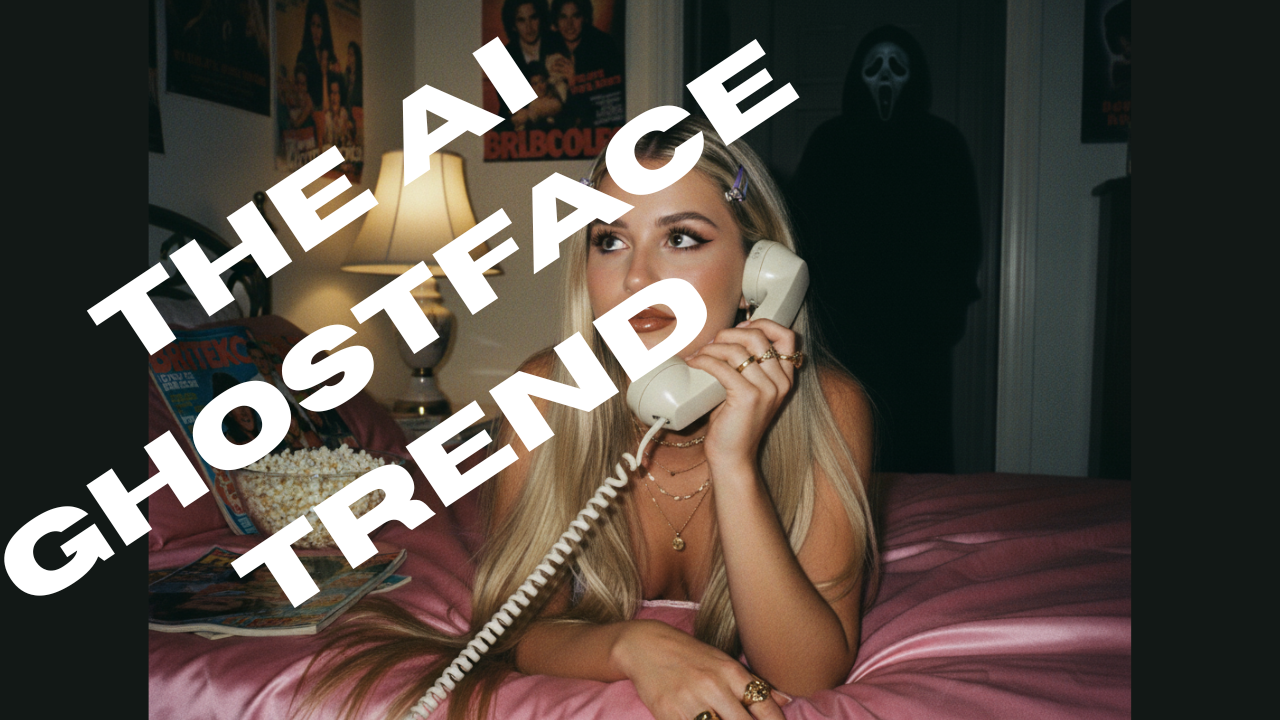
A new viral phenomenon is infiltrating social media feeds with a unique blend of retro comfort and digital dread. The AI Ghostface Trend, which exploded across TikTok and Instagram Reels in late September 2025, features users generating images of themselves in cozy, 90s-style bedrooms, only to have the iconic killer from Scream lurking in the shadows.
But this trend is far more than a fleeting Halloween gimmick; it's a cultural feedback loop where the cozy nostalgia of the Y2K aesthetic collides with our deepest anxieties about a future dominated by powerful generative AI and the deceptive potential of deepfake technology.
What Exactly Is the AI Ghostface Trend?
The AI Ghostface Trend is an AI art phenomenon where participants use text-to-image tools to create pictures of themselves. The typical scene features the user in a Y2K-style bedroom, often talking on a corded phone, while the Ghostface character from the Scream franchise lingers menacingly in the background.
Origins and Explosive Spread
The trend uses generative AI tools like Google Gemini to blend personal portraits with iconic horror imagery. The earliest known example appeared on September 25th, 2025, in a post by Instagram user cortneydryden, who shared an AI-generated image along with the detailed prompt she used to create it.
Its popularity skyrocketed on TikTok shortly after. A video by TikToker @keepingupwithmuva compiling several trend examples and sharing the prompt garnered over 2.7 million views in just four days, cementing the trend's viral status.
Anatomy of a Viral Prompt
The prompts driving this trend are meticulously crafted to blend specific details of atmosphere, character, and suspense. The prompt's genius lies in its specificity, combining atmospheric keywords ('dreamy,' 'dimly lit'), precise aesthetic details ('shiny pink satin,' 'purple butterfly clips'), and a clear narrative action ('staring at her') to guide the AI.
To illustrate, here is the detailed prompt Instagram user cortneydryden shared, which helped launch the trend:
Create a photo of me in a dreamy y2k style portrait of me laying on a shiny pink satin bedding as i hold a large 90s style chorded phone and in a thoughtful daydreaming pose her long straight blonde hair falls freely with purple butterfly clips on each side. she wears delicate jewelry including dainty gold necklaces and accessories and gold chunky rings. the room behind her is girly and daydreamy with 90s style posters. her makeup is simple yet glamorous with brown lipgloss and brown lip liner. the photo should have a grainy 90s style to it with a light source like a lamp in a dimly lit room at night. a bowl of popcorn rests beside her near some 90s style magazines. the ghostface killer should be behind her staring at her, his body should be dimly lit, and he should be standing in the doorway of a dimly lit hallway. the background behind he should be slightly dark and ominous.
Why This Trend Went Viral: More Than Just a Scare
The trend's massive appeal stems from a powerful combination of cultural nostalgia, pre-existing digital fandom, and newfound creative freedom, all powered by accessible technology.
🚀 Supercharge Your Workflow!
Discover our curated list of cutting-edge AI tools designed to boost your productivity and creativity.
Explore AI ToolsAn Evolution of AI Fandom
The visual trend didn't emerge in a vacuum. It builds upon a vibrant, pre-existing fan culture around embodying or interacting with the Ghostface persona through AI. For years, fans have used AI voice changers to mimic the killer's chilling tone in games and on streaming platforms, while others have engaged with countless Ghostface chatbots on platforms like Character.AI. This established digital fascination created fertile ground for a visual trend, making the AI-generated images the next logical evolution in a growing AI-driven fandom.
The Collision of Y2K Nostalgia and Digital Anxiety
The trend's core power lies in its collision of a safe, nostalgic past with a deeply uncertain, technologically fraught present. The Y2K aesthetic with its pink satin bedding, butterfly clips, and grainy film effects taps into a collective longing for the dreamy, intimate visuals of the late 90s. This cozy bedroom is a sanctuary.
The AI-generated Ghostface is the digital invader, a perfect metaphor for our anxieties about AI infiltrating our most personal spaces. The high recognizability of the Ghostface mask and silhouette—a character licensed by Fun World, provides an instantly understood horror element, making the final image a cinematic masterpiece of contrasts.
From Passive Viewer to Active Creator
This phenomenon marks a progression in how people use AI for self-expression. Earlier trends, such as creating soft, whimsical AI box doll avatars, focused on innocent fantasy. The AI Ghostface trend flips that script, trading sweetness for suspense.
As generative AI dissolves the boundaries between audience and creator, this trend democratizes not just art, but narrative creation itself. It empowers anyone with a text prompt to become a director, set designer, and lead actor in their own mini-horror scene, transforming passive consumption into participatory storytelling.
The Tech Behind the Terror: Accessible Generative AI
This viral moment is powered by generative AI tools that have become increasingly powerful and easy to use, putting sophisticated creative capabilities into the hands of everyday users.
Tools of the Trade: Google Gemini, Pixlr, and More
The primary AI tool cited in many examples of the trend is Google Gemini, a powerful text-to-image generator. However, other platforms like Pixlr offer a complete creative suite, including an AI Image Generator, AI FaceSwap, and AI Video Generator. These all-in-one tools allow users to not only generate a static image but also insert their own face and even create mini AI short films with subtle animations.
Creative Expression vs. Digital Deception
It is critical to distinguish this trend from malicious deepfake technology. The AI Ghostface Trend is a form of artistic expression that relies on text-to-image generation. Users build a fictional scene from the ground up, directing the AI to create a stylized, cinematic moment.
This is a key difference in the ongoing discussion around the ethics of generative AI. In contrast, harmful deepfakes typically manipulate existing videos of real people without their consent, often with the intent to deceive, harass, or spread misinformation, which raises serious ethical and security concerns.

The Unseen Ghost: Deepfake Anxieties and Digital Trust
While the AI Ghostface trend is a creative use of technology, its popularity coincides with a rapid commoditization of deepfake tools, reflecting a deeper cultural anxiety about digital authenticity.
A Fun Trend's Unsettling Shadow
The ease with which users create these fictional horror scenes mirrors the alarming accessibility of more dangerous AI tools. The number of deepfake videos online grew by an astonishing 550% between 2019 and 2023, reaching a total of 95,820. Simultaneously, the cost of creation has plummeted. In 2024, a high-quality mock scam video with voice cloning could be produced for under $160 CAD using tools like Runway and ElevenLabs. This is a stark contrast to 2019, when a lower-quality version created for an Ars Technica report cost $552 USD. The potential for misuse in disinformation campaigns is a growing concern for cybersecurity experts like those at the MIT Computer Science and Artificial Intelligence Laboratory .
"Data Dread": The New Face of Horror
This trend is a grassroots example of a new horror subgenre focused on "data dread." Modern AI horror is shifting away from physical monsters toward threats that are digital, "foggy and networked." The Ghostface in these images isn't just a man in a mask; he is a digital ghost, a "foggy and networked" threat made manifest by an algorithm. The true horror isn't that he's in the room, but that he was conjured from data, reflecting a world where our very identity can be manipulated by unseen forces. This new horror explores the loss of agency, the erosion of identity, and the terror of an unreliable reality where our faces and voices become "portable assets," used without our consent.
The Fight for Authenticity
In response to the risks posed by synthetic media, major tech companies and platforms are implementing technical and policy-based safeguards. Google, for instance, embeds an invisible digital watermark called SynthID into images generated by its tools, which helps prove an image's AI origin. Social media platforms like TikTok and Meta have established clear transparency rules, requiring that realistic AI-generated content be labeled with markers like "AI Info" or identified through technical standards like Content Credentials/C2PA.
⏪ Relive Our Past Events
Curious about our previous conferences? Explore the sessions, speakers, and highlights from our flagship events.
View 2024 Highlights View 2025 HighlightsFrequently Asked Questions (FAQs)
Are these AI-generated Ghostface images labeled as fake?
Yes, often they are. Platforms like TikTok and Meta are implementing policies to label realistic AI content, sometimes automatically, using markers like "AI Info" or technical standards like Content Credentials. Furthermore, tools like Google Gemini embed invisible digital watermarks (SynthID) to help prove an image's origin.
What makes this trend different from dangerous deepfakes?
The AI Ghostface trend is a form of creative expression using text-to-image AI to build a fictional scene. Users control the process and insert a stylized version of themselves. In contrast, malicious deepfakes often alter real footage of people without their consent to deceive or harm, which raises serious ethical and security concerns.
Why is the Y2K aesthetic so central to this trend?
The Y2K aesthetic—with its pink satin, chunky phones, and grainy film look—creates a strong sense of nostalgia and a cozy, familiar atmosphere. This warmth masterfully contrasts with the chilling presence of Ghostface, making the resulting horror cinematic and compelling rather than just scary.
A Trend That Reflects Our AI Future
Ultimately, the AI Ghostface Trend serves as a critical bellwether for our evolving relationship with synthetic media. It captures a unique blend of creative excitement, nostalgic comfort, and a pervasive, underlying anxiety about the future of digital trust and identity. As AI tools become more integrated into our daily lives, this trend reminds us of their dual power: to create and entertain, but also to distort and deceive.
This is just one of many ways AI is changing our culture. The conversation around AI and media authenticity is rapidly evolving, with organizations like the Electronic Frontier Foundation championing digital rights in this new landscape.
Sources and References
- Excerpts from "AI Ghostface Trend - Know Your Meme"
- Excerpts from "Create the Viral AI Ghostface Look in Seconds with Pixlr"
- Excerpts from "Deepfake Technology Unveiled: The Commoditization of AI and Its Impact on Digital Trust - arXiv"
- Excerpts from "Ghostface AI Trend: Analysis and Effects - Zerlo"
- Excerpts from "Ghostface AI Trend: How to Make Your Own Viral Version Easily"
- Excerpts from "Ghostface Voice Changer the villan voice from Scream - Voice.ai"
- Excerpts from "Ghostface for days : r/CharacterAI - Reddit"
Hungry for More Insights?
Don't stop here. Dive into our full library of articles on AI, Agile, and the future of tech.
Read More Blogs