The Human Side of AI:
Why Emotional Intelligence Still Matters
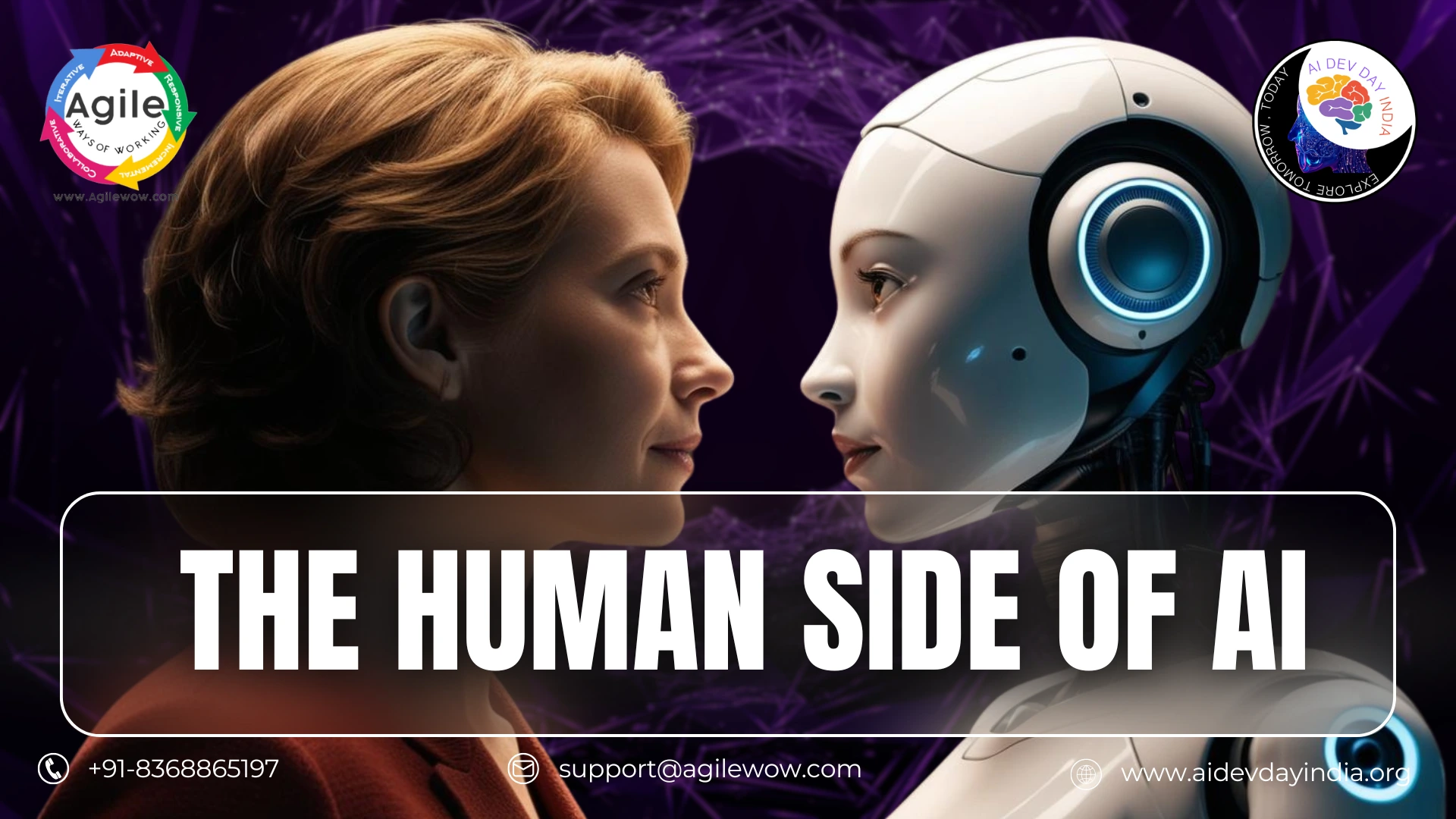
"In an age of algorithms, kindness is still revolutionary."
As Artificial Intelligence (AI) grows more capable by the day—writing emails, diagnosing diseases, recommending movies, even holding conversations—it’s easy to feel like machines are catching up to us.
But there's one area where they’re still miles behind: emotional intelligence.
While AI can analyze sentiments, detect facial expressions, or even simulate empathy, it doesn’t feel. It doesn’t understand the nuances of human connection, the subtle shift in someone’s tone, or the pause between words that can say more than a sentence.
And that’s where we still matter.
Intelligence ≠ Wisdom. Data ≠ Compassion.
AI can help you decide what to say in a tough conversation, but only you can decide how to say it.
AI can predict who might leave your team, but only you can understand why—and what they need to stay.
As we embed AI deeper into our organizations and daily work, we need to remind ourselves that people still crave human connection, understanding, and trust.
In fact, in an AI-powered world, emotional intelligence is not optional—it’s your superpower.
Why Emotional Intelligence Matters More Than Ever
Here’s why emotional intelligence (EQ) is rising in value as AI continues to automate:
- Collaboration Needs Compassion: Cross-functional teams, hybrid environments, and remote setups need leaders who can listen actively, resolve tension, and encourage empathy—something AI can't do (yet).
- Change Management Is Emotional: AI adoption brings disruption. It triggers fear, doubt, even job insecurity. Leaders with high EQ can navigate resistance with empathy, building trust rather than fear.
- Ethical AI Starts With Human Values: Bias in algorithms, ethical dilemmas in facial recognition, or misuse of data—these aren’t just technical issues. They are human questions requiring moral judgment, cultural awareness, and emotional insight.
- Trust Can’t Be Outsourced: You can’t automate credibility. Trust is built through relationships, not recommendations. AI may give you insights—but how you use them is what earns loyalty.
AI Can Read the Room. You Can Feel It.
A sentiment analyzer can tell you if a customer is “happy” or “frustrated.” But only a human can truly know if it’s the right time to apologize, offer a refund, or simply listen.
We shouldn’t try to out-compute machines. We should out-empathize them.
Leading with EQ in the Age of AI
So how can we bring more emotional intelligence into our tech-powered work?
- Listen deeply: Not just to what people say, but what they don’t.
- Slow down: Pause before replying. Let reflection guide reaction.
- Stay curious: AI gives answers, but humans ask better questions.
- Speak with clarity: But lead with compassion.
Artificial Intelligence may transform how we work—but emotional intelligence will shape how we live, lead, and connect. Let’s not forget the human side of progress.
Over to you:
How are you balancing AI and EQ in your life or leadership? Drop a comment or share a story—I’d love to learn from your experience.