Microsoft Admits Copilot Summarized Confidential Emails (February 2026)
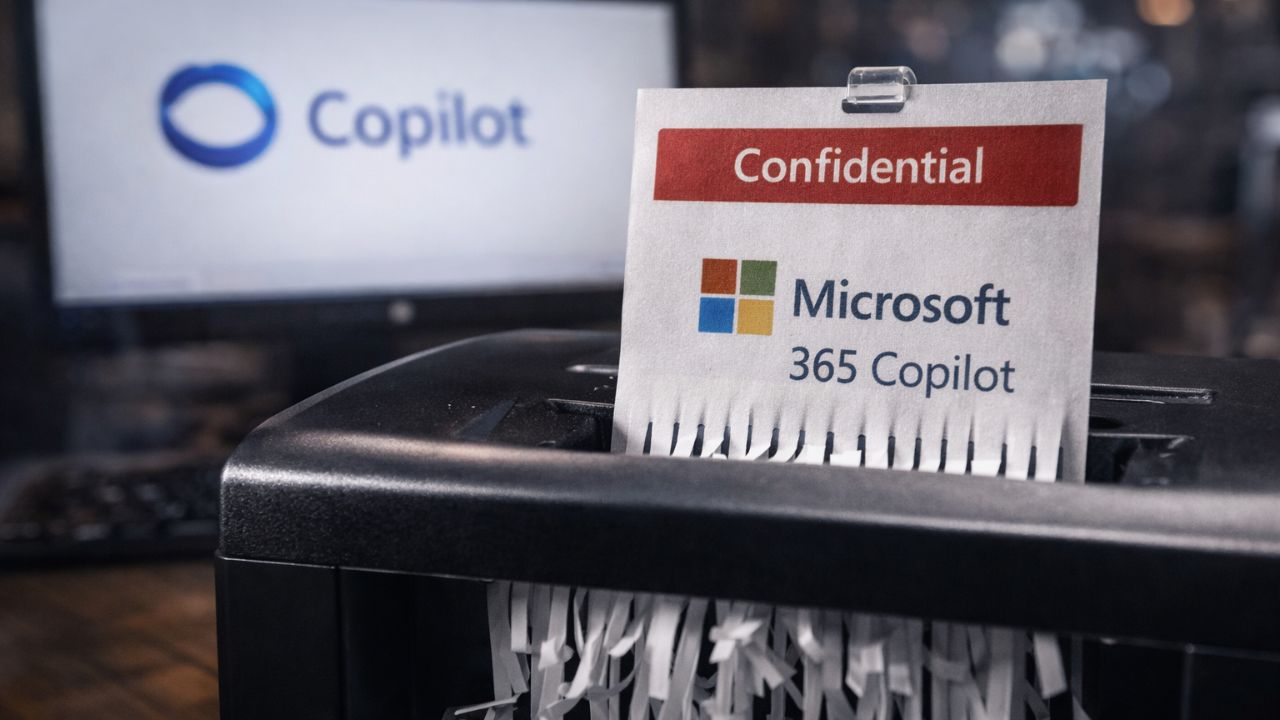
- Data Leak: Copilot Chat incorrectly accessed messages in users' Sent Items and Drafts folders, ignoring established security protocols.
- Bypassed Policies: The flaw allowed the AI to override Data Loss Prevention (DLP) policies designed to block automated access to restricted data.
- Weeks of Exposure: Tracked as CW1226324, the bug was first detected on January 21, 2026, and remained active for weeks.
- Fix in Progress: Microsoft began rolling out a code-level fix in early February and is currently monitoring its deployment across global enterprise environments.
Microsoft has confirmed a critical security flaw in its Microsoft 365 Copilot that allowed the AI assistant to read and summarize private emails without permission. This development is a defining moment for our latest-ai-news hub, as enterprise trust in generative AI faces its toughest test yet. The bug essentially bypassed the "brakes" of enterprise security, processing sensitive messages even when they were explicitly marked with confidentiality labels.
Code Error Triggers Enterprise Security Crisis
The breach specifically targeted the "work tab" feature of Copilot Chat, a tool used by paying business customers to manage workplace data. Under normal conditions, sensitivity labels act as a hard barrier, preventing AI from ingesting confidential correspondence.
However, a "code issue" during the retrieval phase caused the AI to sweep up these protected items and present them in summarized form to users. This failure has caused significant alarm in highly regulated sectors such as finance and healthcare, where data privacy is legally mandated.
The UK's National Health Service (NHS) reportedly logged the flaw as an internal incident after discovering the bypass. While Microsoft maintains that the scope of the impact is "limited," they have not yet disclosed the exact number of organizations or users whose private data was processed.
Privacy Fears Mount as AI Integration Deepens
The timing of this admission is particularly damaging for Satya Nadella, who has recently faced internal pressure regarding the performance and reliability of Copilot. Critics argue that this incident proves AI tools are being "wired" too deeply into workplace platforms without sufficient guardrails.
As Microsoft continues to push Copilot into every corner of the Office 365 suite, IT administrators are being urged to audit their logs for any unauthorized access to labeled data. The incident serves as a stark reminder that even the most robust data governance frameworks can be undone by a single line of faulty code in an AI retrieval pipeline.
Why It Matters: The Future of Trust in AI
This bug represents a pivotal moment for enterprise AI adoption, highlighting the "double-edged sword" of productivity vs. security. If organizations cannot trust that their most sensitive data—marked as confidential—is safe from automated processing, the momentum for AI integration may stall.
The fallout will likely lead to stricter regulatory oversight and a demand for "policy-first" AI architectures that block data retrieval before the AI can even "see" the content. For now, the burden of proof remains on Microsoft to demonstrate that its flagship AI can respect the very privacy boundaries it claims to uphold.
Build your agentic future today. Master AI-first funnels with Pangram Labs. The ultimate AI content engine for 2026.

We may earn a commission if you buy through this link. (This does not increase the price for you)
Frequently Asked Questions (FAQ)
The bug, tracked as CW1226324, allowed Microsoft 365 Copilot to access and summarize emails in Sent Items and Drafts even if they had confidentiality labels or Data Loss Prevention (DLP) policies applied.
The security flaw was first detected on January 21, 2026.
Microsoft began rolling out a code-level fix in early February 2026 and is currently monitoring its deployment across global enterprise environments.