Sovereign Cloud for AI: Why Hosting Your LLM in the US is Now a Liability
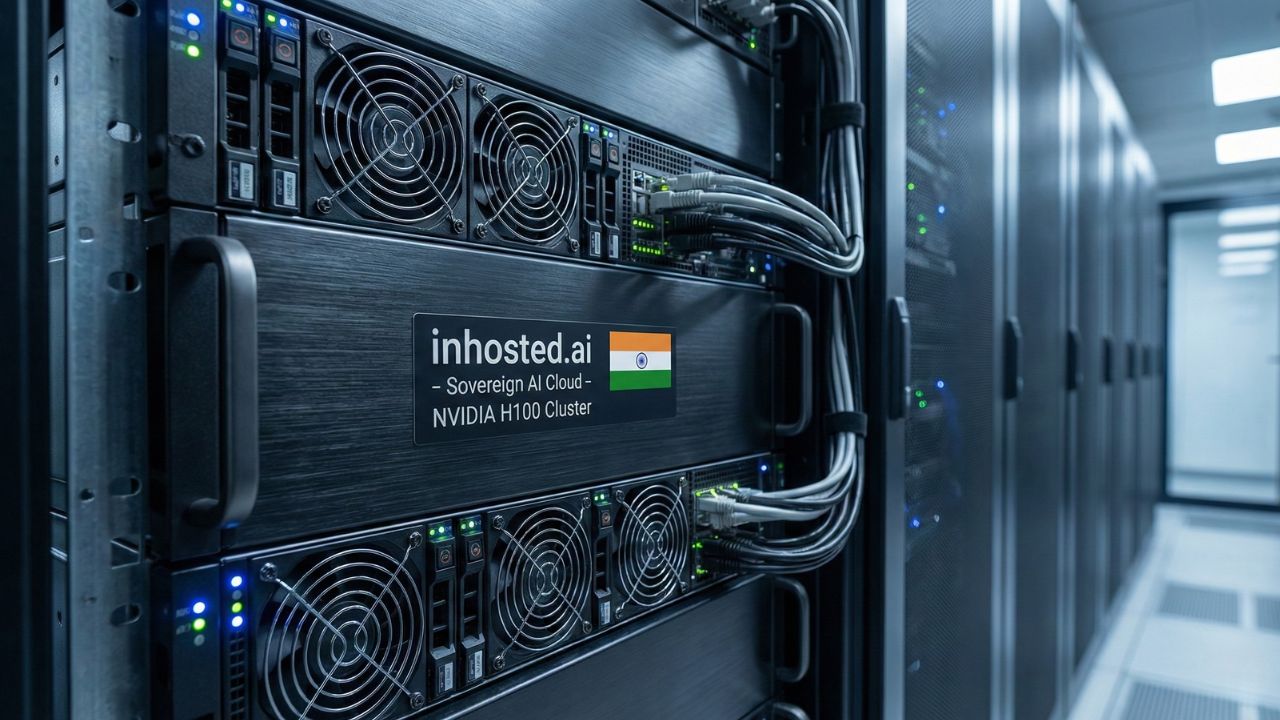
Key Takeaways: Navigating Indian AI Data Residency
- Strict Localization: The 2026 DPDP Act mandates that processing sensitive Indian citizen data on offshore servers is a direct regulatory violation.
- Sovereign Necessity: Utilizing sovereign cloud providers for Indian AI guarantees your infrastructure remains physically and legally within national borders.
- High-Performance Availability: Indian data centers now offer localized access to NVIDIA H100 GPU clusters, eliminating the need to rely on US compute.
- MeitY Compliance: Migrating LLMs to Indian servers ensures you meet the strict data residency and algorithmic audit requirements enforced by MeitY.
The era of defaulting to US-based server clusters for your enterprise artificial intelligence is officially over.
Today, finding compliant sovereign cloud providers for Indian AI is a critical business emergency to avoid devastating data residency penalties.
The legal landscape has shifted rapidly, transforming offshore data hosting from a cost-saving measure into a massive corporate liability.
This deep dive is part of our extensive guide on The 2026 Guide to AI Compliance in India.
Let's explore why localizing your compute is the only legally defensible strategy for 2026.
The Data Residency Crisis of 2026
Under the finalized DPDP Act rules, the Indian government has drawn a hard line on data sovereignty.
Offshore servers expose your enterprise to overlapping, often contradictory, international data laws.
If personal data leaves Indian borders, you immediately lose control over its jurisdiction and open yourself up to severe regulatory audits.
Why the US is a Liability?
Hosting your LLM in the US means your data is subject to foreign surveillance laws.
This directly violates the privacy-first mandates established by MeitY.
Furthermore, if a citizen requests data deletion, proving compliance on a foreign server is nearly impossible.
To safely execute these requests, you must implement Machine Unlearning Protocols: How to Legally "Delete" Data from a Trained AI on infrastructure you completely control.
Migrating LLMs to Indian Servers
The solution is localizing AI compute for compliance through a trusted sovereign cloud.
These providers ensure that data, metadata, and encryption keys never leave the country.
Accessing World-Class Infrastructure
You no longer have to sacrifice performance for compliance.
Sovereign cloud providers in India now offer robust GPU data centers equipped with NVIDIA H100 and A100 clusters.
Securing Fintech and Healthcare AI
For highly regulated industries, cloud data sovereignty for fintech AI is non-negotiable.
Localizing your models also significantly lowers your risk profile when applying for Deepfake Insurance: The New Essential Cover for Every Indian CFO.
Conclusion
Migrating your AI workloads is no longer just a technical IT project; it is a foundational legal requirement.
By partnering with certified sovereign cloud providers for Indian AI, you secure your data within physical and legal borders.
Do not let offshore hosting become the vulnerability that tanks your enterprise in 2026.
Create High-Performing Pages with AI. Try Foxit AI

We may earn a commission if you buy through this link. (This does not increase the price for you)
Frequently Asked Questions (FAQ)
Local hosting is required to comply with the DPDP Act's strict data localization rules, ensuring sensitive personal data is protected under Indian privacy laws rather than foreign jurisdictions.
Several providers, including E2E Networks, NetForChoice (inhosted.ai), and OVHcloud India, now offer NVIDIA H100 GPU clusters hosted directly within Indian data centers.
Compliance requires migrating your LLMs and databases to a MeitY-empaneled sovereign cloud provider, ensuring encryption keys are managed domestically.
Yes, but only if configured correctly. You must specifically provision resources in their Indian data regions (like AWS Mumbai or Azure Central India) and restrict cross-region data replication.
Migration involves securely transferring the model weights and training datasets to an on-premise AI server or a sovereign cloud, followed by rigorous testing to ensure integration.
Sources & References
- Ministry of Electronics and Information Technology (MeitY): Digital Personal Data Protection Rules 2025
- CERT-In: Cloud Security and Data Localization Mandates
- The 2026 Guide to AI Compliance in India
- Machine Unlearning Protocols: How to Legally "Delete" Data from a Trained AI
- Deepfake Insurance: The New Essential Cover for Every Indian CFO
External Sources
Internal Sources