The $10B Microsoft Japan AI Infrastructure Masterplan
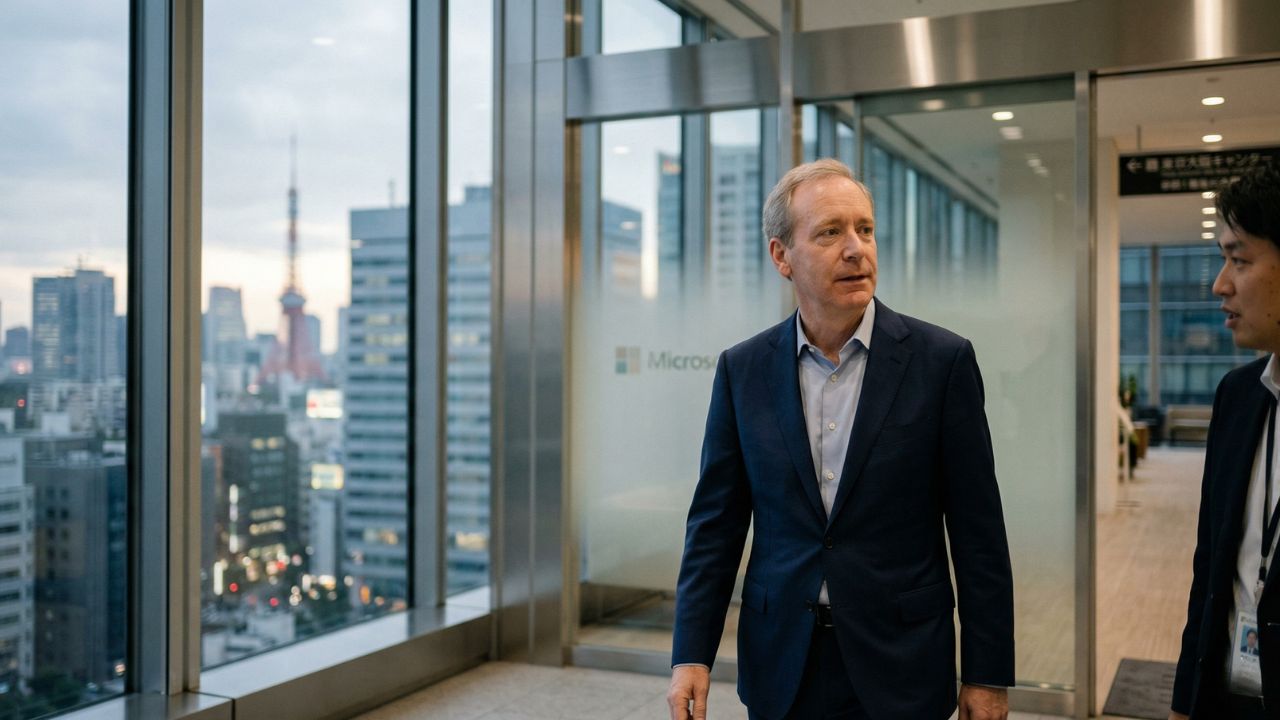
Microsoft's unprecedented $10 billion injection into Japan's AI ecosystem isn't just a corporate PR move; it's a massive geographic pivot in the Asian cloud computing wars.
On April 3, 2026, the tech giant formally announced this historic investment, immediately forcing enterprise leaders to rethink how they will secure their compute capacity today.
Quick Facts
- The bottom line: This initiative dramatically expands local AI cloud infrastructure, introduces next-generation cybersecurity defenses, and upskills the local workforce.
- The timeline: The multi-billion dollar rollout officially runs from 2026 through 2029, building upon a previous capital injection made in 2024.
- The local partners: Microsoft is aggressively collaborating with domestic Japanese infrastructure providers like SoftBank and Sakura Internet.
- The talent push: The masterplan includes an active commitment to train one million developers and engineers by 2030.
Scaling Azure AI Compute Capacity
The era of defaulting to trans-Pacific data routing is actively coming to a close.
Microsoft is rapidly deploying localized, high-performance GPU clusters directly onto Japanese soil.
This hardware expansion guarantees that enterprises can achieve ultra-low inference latency while adhering strictly to regional data sovereignty mandates.
Domestic partners like SoftBank are stepping in to ensure that even the most confidential AI workloads remain physically inside Japan.
The New Cybersecurity Alliance
Deploying massive compute capacity requires a matching security perimeter.
Microsoft is locking arms directly with Japan's National Cybersecurity Office and the National Police Agency to build a fortified defense grid.
This public-private intelligence-sharing pipeline targets network vulnerabilities before they strike.
By establishing a robust local shield, Microsoft is neutralizing the compliance liabilities that often block enterprise adoption of remote cloud services.
"Microsoft is deeply invested in Japan, and today's announcement will enable us to meet the country's growing demand for cloud and AI services. We are bringing the world's best technology, building secure and reliable infrastructure on Japan's terms."
— Brad Smith, Vice Chair and President of Microsoft.
Upskilling the Japanese Tech Workforce
Raw computing power sits idle without the human talent required to optimize it.
Japan is currently staring down a massive projected shortfall of over 3 million AI and robotics workers by 2040.
Microsoft is stepping directly into the gap. They are systematically rolling out training programs to upskill 1 million engineers and developers across the region.
By partnering with local labor unions, they are pushing foundational coding and automation skills directly onto the factory floor.
Timeline and Rollout Phases for 2026
The initial financial commitments drop this year, kicking off an aggressive infrastructure build that spans until 2029.
The immediate objective is getting enterprise clients off legacy servers and onto the localized Azure network.
If your team is finalizing an Enterprise AI Strategy Framework 2026, this timeline dictates your next moves.
You must secure your localized compute limits immediately before competitors lock up the newly available regional GPUs.
Why It Matters: The Asian Cloud Market Impact
The $10 billion masterplan radically permanently alters the balance of power across the entire Asia-Pacific sector.
Competing cloud vendors are now backed into a corner, forced to mirror this physical footprint or risk bleeding enterprise contracts that demand sovereign data compliance.
By prioritizing localized edge computing, Microsoft establishes a ruthless new baseline for enterprise API speed and reliability.
The shockwaves of this deployment will be felt across every technical boardroom operating in the region.
Frequently Asked Questions
Why is Microsoft investing $10 billion in Japan?
Microsoft's unprecedented $10 billion injection into Japan's AI ecosystem isn't just a corporate PR move; it's a massive geographic pivot in the Asian cloud computing wars. It responds directly to the exploding demand for secure, locally hosted artificial intelligence.
What does the Microsoft Japan AI investment cover?
This initiative dramatically expands local AI cloud infrastructure, introduces next-generation cybersecurity defenses, and upskills the local workforce, signaling a massive shift in Asia-Pacific cloud dominance.
How will the $10 billion investment impact enterprise cybersecurity?
The program establishes active threat-intelligence sharing between Microsoft and Japanese national institutions, giving enterprise users advanced protection and a highly secure operational perimeter.
When will the new Microsoft AI data centers open in Japan?
The deployment begins immediately following the April 3, 2026 announcement. Rollouts for the new infrastructure and data centers will scale rapidly between 2026 and 2029.
How many jobs will Microsoft's AI workforce initiative create?
The initiative focuses heavily on education and retention, explicitly pledging to train and upskill 1 million local engineers and tech workers by 2030 to combat projected labor shortages.