Phishing Prevention 2.0: Using "Customized Viral Content" to Kill Scams in Real-Time
Key Takeaways
- Dynamic Nudges: Discover how AI generates real-time, context-aware fraud warnings right before a risky transaction is approved.
- Breaking the Trance: Learn to use customized viral content to snap victims out of a scammer's psychological manipulation.
- Vernacular Reach: See why delivering hyper-targeted, localized security videos via WhatsApp is crucial for protecting tier-2 and tier-3 cities.
- Real-Time Video Generation: Understand how systems instantly create localized explainer videos matching the exact scam profile the user is facing.
- The 24x7 War Room: Build automated AI agents that monitor viral trends and deploy counter-measures faster than human analysts.
Welcome to the cutting edge of digital defense, where phishing prevention personalization using AI is changing the way we protect consumers.
This deep dive is part of our extensive guide on Agentic AI and Vernacular Banking in Indian Finance 2026.
Traditional, static text warnings are no longer effective against sophisticated social engineering.
Scammers create high-pressure situations that force victims into a psychological trance.
To stop these fast-moving threats, banks are deploying customized, viral-style content that intervenes exactly when the user is most vulnerable.
Breaking the Scammer's Psychological Spell
A modern social engineering attack relies on manufactured urgency. Victims are told their electricity will be cut off or their bank account frozen immediately.
Standard app warnings blur into the background because users are conditioned to simply click "Agree" to proceed.
To break this spell, security systems must interrupt the user's flow with highly engaging, unexpected content.
Context-Aware Interventions in UPI Apps
Instead of a generic warning, an AI agent analyzes the transaction metadata and triggers a specific, unskippable intervention.
If a user is sending money to a newly created UPI ID flagged for suspicious activity, the app pauses.
The screen immediately displays a warning tailored to that exact scenario, preventing the user from making a tragic mistake.
This pairs perfectly with the unseen protections discussed in our guide on Behavioral Biometrics for UPI: Why "How You Type" is More Secure Than Your PIN.
The Power of Customized Security Explainer Videos
When an AI detects a potential "fake cashback" scam, it doesn't just block the transaction.
It educates the user on the spot.
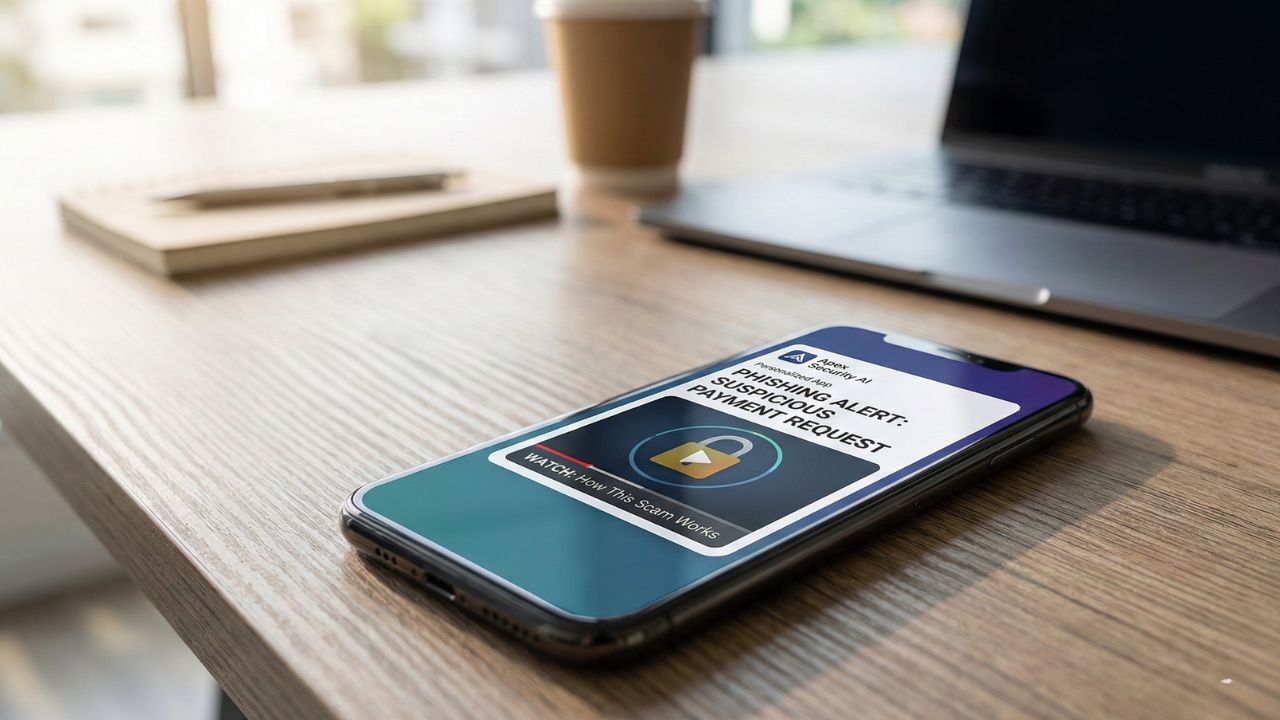
Phishing prevention personalization using AI means the system can instantly compile a short, 15-second video explaining the exact trick being used.
By showing a visual representation of the scam, the user immediately understands the threat and abandons the transfer.
Targeting Vulnerable Segments with Vernacular Content
India's next billion internet users require security education in their native languages.
AI agents can dynamically translate and dub these customized explainer videos into Hindi, Tamil, Telugu, and more.
When a vulnerable user in a tier-3 city receives a targeted warning in their mother tongue, trust increases, and fraud rates plummet.
Automating the "Fraud War Room"
Cybercriminals launch new scams daily. A human security team cannot produce awareness campaigns fast enough to keep up.
An automated AI "Fraud War Room" constantly scrapes social media and dark web forums to identify new viral scams.
It then automatically generates counter-awareness content, pushing it to users before they fall victim, effectively acting alongside Real-time UPI Fraud Detection: Stopping "Bot-Speed" Scams in Under 250 Milliseconds.
Deploying Celebrity-Led Warnings on WhatsApp
To maximize ROI on automated fraud awareness marketing, banks are meeting users where they spend the most time: WhatsApp.
Using authorized synthetic media, financial institutions deploy celebrity-led fraud warnings directly to a user's inbox if their account shows signs of targeted phishing.
This behavior-aware nudging turns passive security into active, engaging defense.
Conclusion
The era of generic security alerts is over. To defeat modern social engineering, financial institutions must master phishing prevention personalization using AI.
By deploying context-aware, customized viral content precisely at the point of risk, banks can snap users out of a scammer's trance.
Embracing vernacular, automated video nudges is the only way to scale trust and effectively secure the diverse landscape of Indian digital finance.
Scale Securely with Proven Tools. Try Pangram Labs

We may earn a commission if you buy through this link. (This does not increase the price for you)
Frequently Asked Questions (FAQs)
It is the use of AI to deliver highly specific, context-aware security warnings tailored to the exact scam a user is currently facing, rather than showing generic alert messages.
AI systems instantly combine pre-rendered visual assets, dynamic text, and localized synthetic voiceovers to create a 15-second explainer video the moment a suspicious transaction is flagged.
These are security nudges that change based on real-time data, such as displaying a "fake customer care" warning only when the user is dialing a known fraudulent phone number while keeping the UPI app open.
Yes. AI sentiment analysis tools scan social platforms and transaction patterns to detect sudden spikes in specific payment requests, automatically flagging them as emerging cashback scams.
AI dynamically translates security alerts and video audio into the user's preferred regional language, ensuring the warning is culturally relevant and easily understood by non-English speakers.
Sources & References
- Agentic AI and Vernacular Banking in Indian Finance 2026
- Behavioral Biometrics for UPI: Why "How You Type" is More Secure Than Your PIN
- CERT-In (Indian Computer Emergency Response Team) - Guidelines on Phishing and Social Engineering Prevention
- Reserve Bank of India (RBI) - Framework for Customer Protection and Electronic Banking Fraud
- National Payments Corporation of India (NPCI): UPI Safe Banking Awareness Initiatives
Internal:
External: