The Gym: AI for Wellness & Clarity (Digital Wellness Companion)
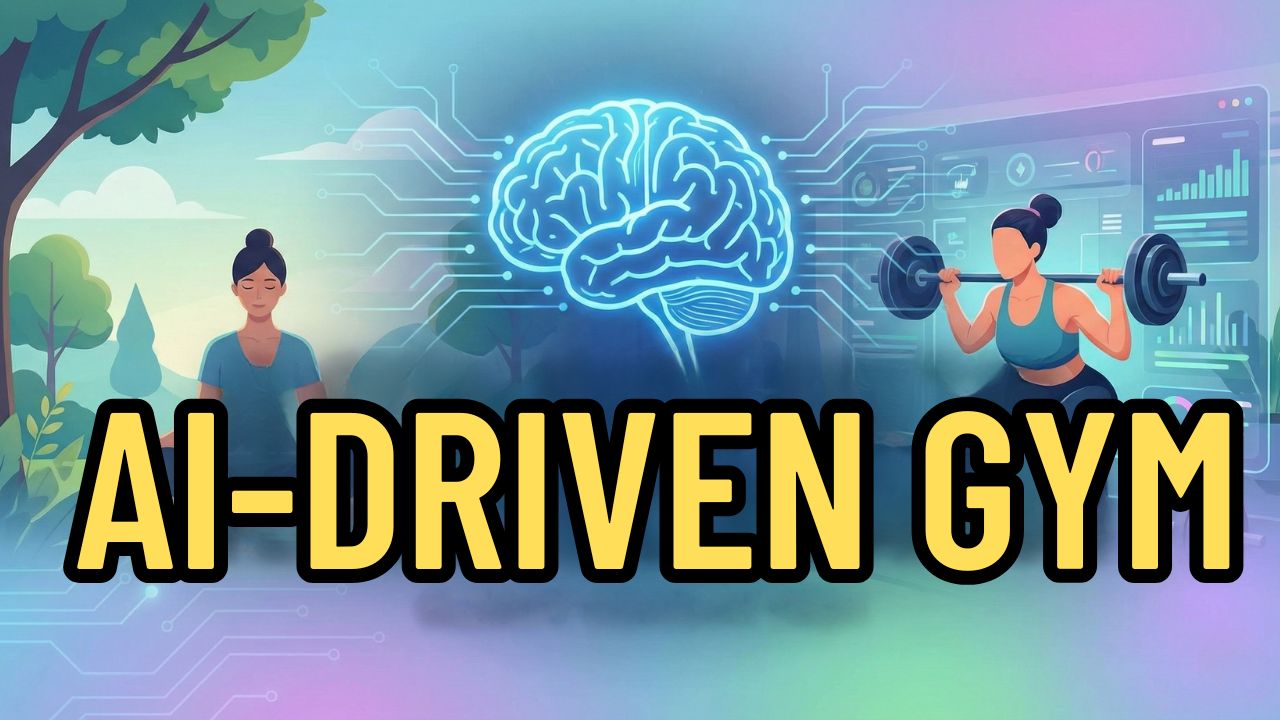
Does your phone make you anxious or active?
For most of us, technology is a health hazard. It disrupts our sleep with blue light, spikes our cortisol with doomscrolling, and keeps us glued to the couch. We often feel like victims of the algorithm.
Welcome to "The Gym" of your AI Life Operating System (AI-OS). It is time to flip the script.
Instead of your device draining your energy, we will turn it into your AI wellness coach. This isn't about downloading another fitness app that ignores you.
It’s about using a digital well-being assistant to actively manage your physical energy, mental clarity, and digital balance.
Here is how to deploy AI to protect your peace and strengthen your body.
Explore the AI Life Operating System Hub
1. The Mind: Mental Health Support & Cognitive Reframing
We all have moments where thoughts spin out of control. You might be obsessing over a rude email or worrying about the future.
This is where AI for mental health support acts as a mirror, not just a machine.
The Concept: The Stoic AI Companion.
Using journaling with AI prompts allows you to process emotions logically. This is known as cognitive reframing with ChatGPT, a technique to identify negative patterns and challenge them instantly.
How to use it: Don't just write a "Dear Diary" entry. Use your therapeutic writing assistant to gain clarity.
The Prompt: "I am feeling overwhelmed by [Situation X]. Please act as a stoic philosophy AI companion. Help me reframe this situation using AI-assisted cognitive behavioral therapy techniques. What is in my control, and what is not?"
The Benefit: This simple mental clarity prompt turns anxiety into clarity with AI, acting as a powerful tool for AI stress management.
2. The Body: Personalized Workout Generation
Most workout plans fail because they are rigid. They don't know that your knee hurts today or that you only have 15 minutes.
AI fitness optimization changes that.
The Concept: Adaptive Fitness Scheduling.
Your smart gym companion uses generative AI for strength training to create routines that fit your reality, not a generic template.
How to use it: Stop searching YouTube. Ask your personalized workout plan AI:
The Prompt: "I have 20 minutes, two 10lb dumbbells, and I want to focus on my back and shoulders. I live in an apartment, so no jumping. Create a high-intensity circuit for me."
The Benefit: You get customized fitness routines with ChatGPT instantly, removing friction and enabling AI for positive habit formation.
3. The Data: Sleep Tracking & Health Analytics
We wear smartwatches that track everything, but we rarely use the data. We just see a score and move on.
To truly benefit, you need smart health analytics and wearable data interpretation.
The Concept: The Data Interpreter.
Instead of just looking at a "65% Sleep Score," feed that data into an AI for sleep tracking analysis AI.
How to use it: Copy your health export data into an AI tool such as “Whoop”.
The Prompt: "Here is my sleep data for the last week. My deep sleep is low on Tuesdays. Based on this, help me optimize circadian rhythm with AI and suggest specific changes to my evening routine."
The Benefit: This is turning health data into actionable insights, moving you from simple tracking to predictive physical health insights.
4. The Shield: Anti-Doomscrolling & Digital Detox
The biggest threat to your wellness is the "infinite scroll." Social media is designed to keep you addicted.
You need anti-doomscrolling tools (e.g., One Sec App) and a strategy for tech for reclaiming attention.
The Concept: Digital Balance.
AI can help you build healthy tech habits AI by creating a digital detox planning with AI strategy.
How to use it: Use AI to design a "Dopamine Detox" schedule.
The Workflow: Ask your AI for burnout prevention workflows.
"Create a schedule for my evening that replaces 1 hour of scrolling with 3 distinct offline activities that give me a similar dopamine hit but without screens, helping with reducing screen time with AI."
Quick-Start: Your "Wellness Companion" Routine
Ready to enter The Gym? Try this simple automated self-care workflow:
- Morning (The Check-In): Use smart mental hygiene tools (like a quick AI prompt) to set your intention.
- Afternoon (The Reset): If you feel stressed, use a meditation scripts generator AI to create a 3-minute breathing guide.
- Evening (The Plan): Use your AI habit tracker to review your day and log your mood for automated mood logging.
The Bottom Line
Technology shouldn't deplete you; it should defend you. By building "The Gym" in your AI-OS, you stop using your phone to escape reality and start using it to improve your reality.
This is the future of algorithmic health and biohacking with AI. Don't just track your health. Optimize it.

Frequently Asked Questions (FAQ)
No. AI for mental health support is a tool for self-reflection and clarity, not medical treatment. It is excellent for cognitive reframing and organizing thoughts, but it cannot diagnose conditions or replace professional care.
You should always prioritize privacy. When using analyzing health data with AI, remove any personal identifiers (like your name or medical ID numbers) before pasting the data. Use the AI to analyze the patterns, not the person.
While apps like "One Sec" or native screen time tools help, the AI's role here is digital detox planning. It acts as the strategist that helps you design the rules and schedules that you then enforce using those apps.
It is surprisingly effective for personalized workout plan AI because it understands biomechanics data. However, always listen to your body. AI suggests the plan, but you must judge your own physical limits to avoid injury.