AI-Driven Decision Making Tools for IT Leadership: Stop Guessing Your Tech Stack Future.
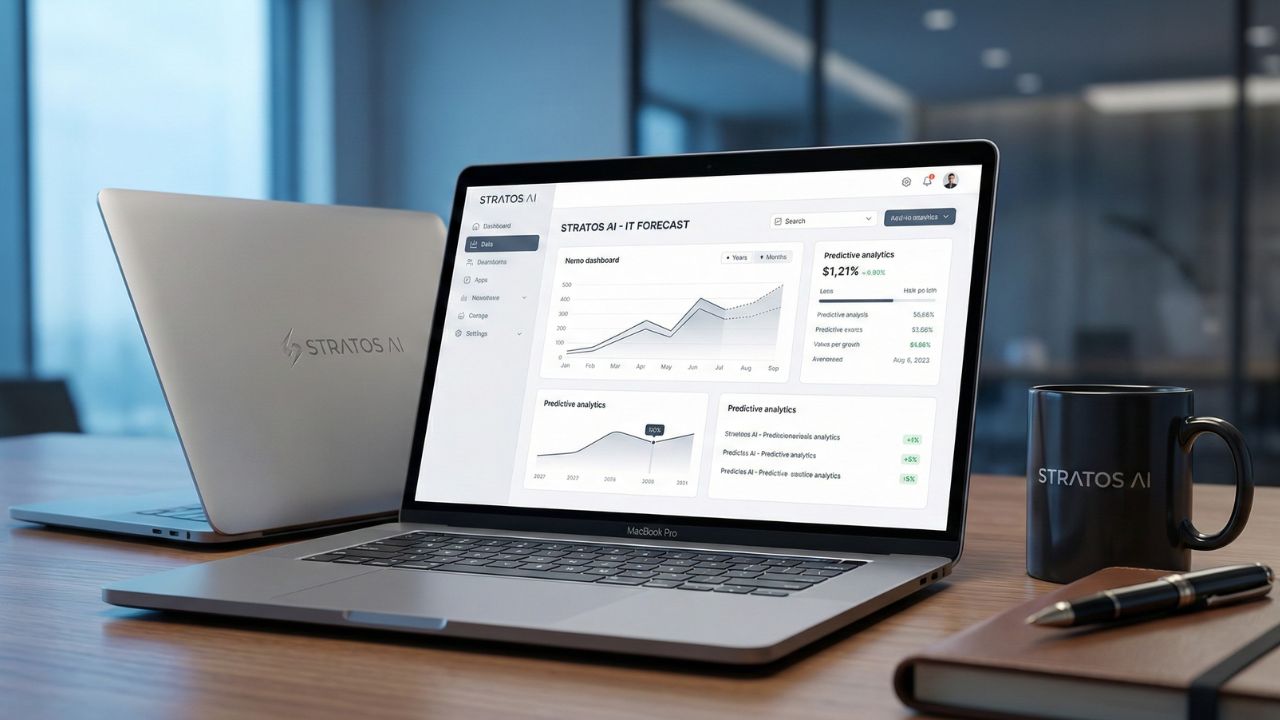
Quick Answer: Key Takeaways
- Eliminate Guesswork: Use predictive analytics to select software architecture and tech stacks based on concrete data, not just industry hype.
- Optimize Budgets: Generative AI instantly forecasts IT project costs to proactively prevent costly budget overruns.
- Prevent Burnout: Analyze developer workflows to predict and mitigate engineering team burnout before it disrupts sprint cycles.
- Perfect Resource Allocation: Automate resource leveling to keep agile software development teams consistently productive and perfectly balanced.
At the executive level, guessing your tech stack future is a massive liability that can cripple enterprise growth.
Today’s most successful CTOs and VPs of Engineering are rapidly adopting AI-driven decision making tools for it leadership to secure a massive competitive advantage.
This deep dive is part of our extensive guide on AI and Gen AI Tools for Productivity and Decision Making in IT Software and Product Development.
Explore how leveraging predictive analytics and Gen AI optimizes budgets, resources, and architecture strategy without the traditional guesswork.
The Rise of Decision Intelligence in IT
Modern IT leaders are drowning in disparate data points, from server costs to sprint velocity metrics.
Decision intelligence transforms this raw, chaotic data into clear, actionable executive insights.
It replaces flawed human intuition with mathematically backed predictive analytics.
Moving Beyond Human Intuition
Historically, selecting a new cloud provider or database framework was largely based on executive preference.
Now, AI models can simulate the financial and technical outcomes of these choices before a single dollar is spent.
This enables IT leaders to instantly validate their roadmap assumptions against massive historical datasets.
Predicting Costs and Managing Resources
One of the largest challenges for IT leadership is accurately forecasting capital expenditures and operational costs.
AI tools analyze past project data to generate hyper-accurate forecasts for upcoming quarters.
This prevents the dreaded scenario of running out of budget halfway through a critical software migration.
Automating Resource Leveling
A burnt-out engineering team is the fastest way to derail an enterprise tech strategy.
By integrating generative AI for agile project management and scrum optimization, leaders can monitor team capacity in real-time.
AI proactively identifies resource bottlenecks, ensuring no single developer is overwhelmed by the backlog.
Future-Proofing Software Architecture
Technical debt often starts with poor, short-sighted architectural decisions made during the planning phase.
Today, AI serves as an elite technical advisor, continuously auditing your proposed system designs for scalability flaws.
It highlights potential integration risks well before the engineering team begins to write code.
AI in System Design
Leaders can now input business requirements and receive optimized architectural blueprints instantly.
By pairing this strategy with top AI tools for software architecture diagramming and documentation, CTOs maintain perfect oversight of complex cloud systems.
This ensures your tech stack remains scalable, modern, and completely aligned with business objectives.
Conclusion
The era of relying on "gut feeling" to guide enterprise technology strategy is permanently over.
By fully integrating AI-driven decision making tools for it leadership, executives can optimize budgets, protect their engineering talent, and build bulletproof infrastructure.
Stop guessing your tech stack future and start leading with the power of artificial intelligence today.
Scale Securely with Proven Tools. Try Similarweb

We may earn a commission if you buy through this link. (This does not increase the price for you)
Frequently Asked Questions (FAQ)
AI helps IT leaders make better decisions by instantly analyzing vast amounts of enterprise data to identify hidden trends and forecast outcomes. Instead of relying on intuition, leaders can use AI-generated predictive models to confidently allocate budgets, choose optimal technology stacks, and mitigate project risks before they materialize.
Decision intelligence in IT is the commercial application of AI, machine learning, and predictive analytics to support, augment, and automate executive decision-making. It connects complex IT data streams, like cloud usage, developer productivity, and incident reports, into a centralized dashboard that recommends specific, high-value leadership actions.
Yes, AI can highly accurately forecast IT project costs by analyzing historical enterprise data, vendor pricing models, and team velocity metrics. It continuously adjusts these forecasts in real-time as project scopes change, providing CTOs with dynamic budget tracking and preventing unexpected financial overruns.
The best tools vary by specific need, but top-tier platforms currently include AI-driven portfolio management systems, predictive cloud cost optimizers like CloudHealth, and advanced analytics dashboards natively built into enterprise issue trackers. These provide a holistic, top-down view of engineering health and financial burn rates.
Evaluating ROI requires tracking specific pre-and-post implementation metrics, such as the reduction in cloud infrastructure waste, the decrease in developer onboarding time, and the prevention of critical system outages. Enterprises typically see the highest ROI when AI is deployed to automate repetitive, high-cost administrative bottlenecks.
Sources & References
- Gartner: Top Strategic Technology Trends for IT Leadership
- McKinsey: The Economic Potential of Generative AI in Tech
- AI and Gen AI Tools for Productivity and Decision Making in IT Software and Product Development
- Generative AI for Agile Project Management and Scrum Optimization
- AI Tools for Software Architecture Diagramming and Documentation
External Sources:
Internal Sources: