Figure vs Tesla Optimus: Which Comes Home First? (Jun 2026)
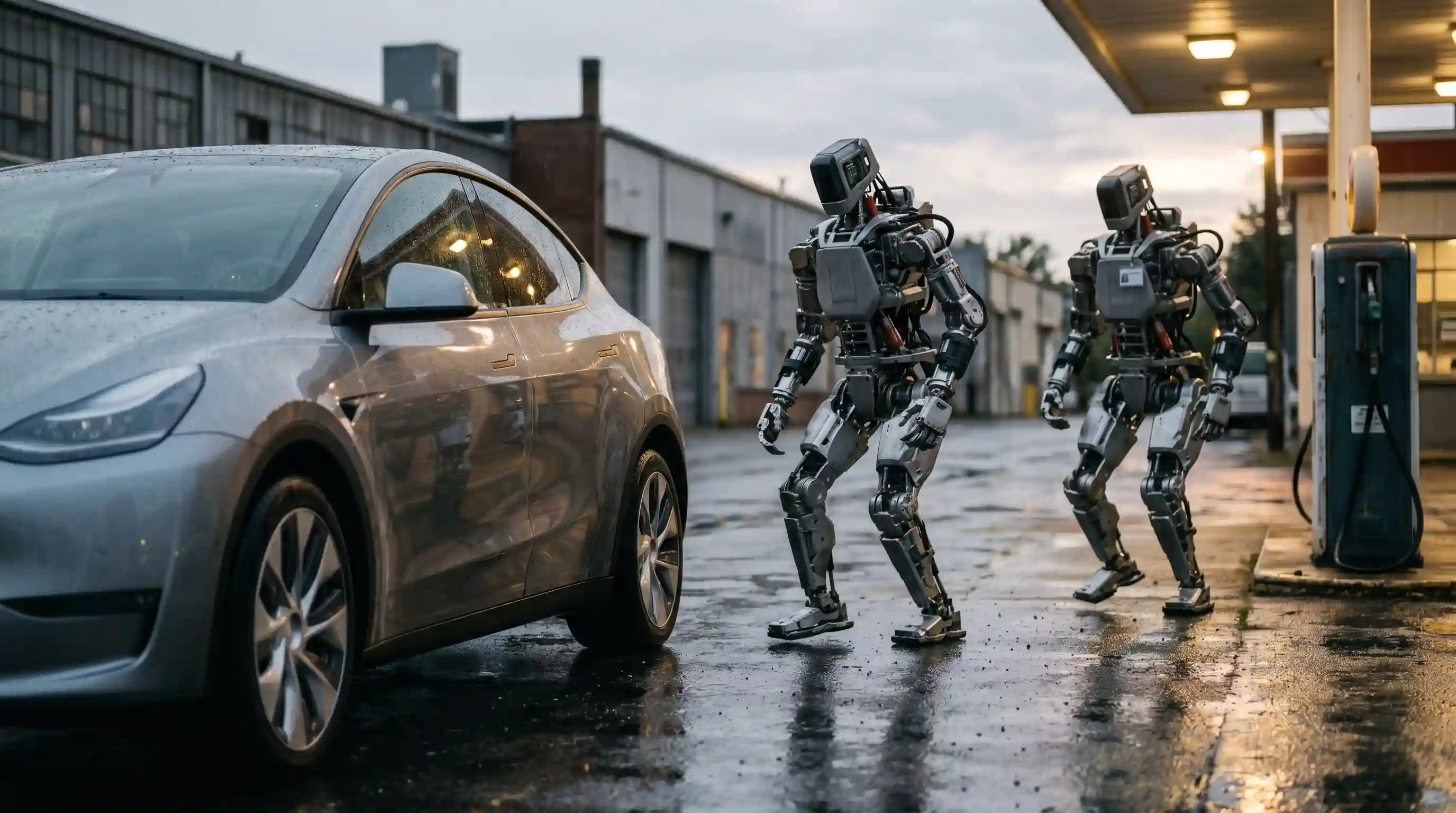
- Factory Prioritization: Industrial manufacturing installations are monopolizing initial production runs for both development teams.
- The Timelines Divergence: Figure 03 is executing specialized, gated home pilot programs late this year.
- The Mass Threshold: Both systems carry a substantial 57 kg to 60 kg physical mass, creating structural hurdles for homes.
- Ecosystem Scaling: One contender leverages existing automotive gigafactory tooling lines to scale hardware production.
Figure vs Tesla Optimus for home: one is closer than headlines suggest, one keeps slipping. As institutional investors and production managers evaluate the pace of embodied artificial intelligence, tracking the actual physical rollout schedules of these two industry titans is crucial.
Before parsing the specialized engineering timelines of these platforms, ensure you review our master strategic consumer evaluation: Home Humanoid Robots 2026: Buy Now or Wait?
Understanding the broad operational limitations of current bipedal systems provides necessary context for individual brand tracking. The race between these systems highlights a major split in engineering focus.
One company is optimizing its hardware for immediate industrial supply chains, while the other is targeting precise multi-modal consumer interactions.
Timelines and Production Gaps: Factory First vs. Consumer Gated
Tesla Optimus: Navigating Automotive Gigafactory Tooling
Tesla’s deployment framework for the Optimus platform focuses entirely on internal industrial fulfillment. The strategy uses Tesla's automotive manufacturing lines as an immediate, real-world testing sandbox.
This setup allows engineering teams to refine the robot's hardware endurance across repetitive logistics tasks before attempting residential release.
Consequently, broad public consumer availability is projected to slide out toward 2027 or later.
Figure 03: Targeted Enterprise Pilots and Commercial Testing
Figure is moving along a highly focused commercial testing path. Backed by large technology grants and major corporate investments, the team is validating its hardware inside structured commercial spaces.
For the domestic market, Figure targets limited, gated residential deployments late in the year. These closed-loop tests aim to gather vital data on unstructured home environments before opening public retail orders.
Hardware and Engineering Deep Dive: Actuator and Sensor Matrix
Spatial Vision and Integrated Dexterity Profiles
Evaluating figure vs tesla optimus for home means looking closely at how their sensor suites handle complex, unstructured environments.
The Figure 03 uses advanced 3-gram touch-sensing hands and high-resolution palm cameras to eliminate blind spots. This design enables precision manipulation of delicate household objects.
For a comprehensive look at where these physical dexterity parameters rank against other consumer models, see our hardware index: best humanoid robots 2026 listicle.
The Tesla Optimus uses a vision-only approach, processing data through an array of external cameras directly into its onboard neural networks.
Its hands use high-durability actuators designed for steady industrial gripping power. While excellent for handling rigid manufacturing parts, this configuration requires ongoing software calibration to manage delicate domestic chores safely.
Financial Models and Target Price Metrics
Factoring the Capital Expenditure Estimates
Both manufacturers are aiming for long-term target prices between $20,000 and $30,000 as production scales. However, these projections reflect mature, high-volume manufacturing conditions.
Early residential units will likely require specialized maintenance contracts and cloud-processing access fees. Buyers must prepare for ongoing operational expenses alongside the initial hardware cost.
Comparative Deployment Matrix
| Metric / Feature | Figure 03 Platform | Tesla Optimus Platform |
|---|---|---|
| Primary Launch Environment | Gated Enterprise / Commercial Pilots | Internal Automotive Gigafactories |
| Estimated Target Pricing | ~$20,000 Baseline (Projected) | ~$20,000 – $30,000 Target Range |
| Physical Machine Mass | Approximately 60 kg | Approximately 57 kg |
| Core AI Engine Backbone | Proprietary Helix AI Framework | End-to-End Vision Neural Network |
| Residential Availability | Limited, Gated Pilots Late 2026 | Projected Consumer Realization ~2027 |
Conclusion & CTA
The choice between Figure and Tesla Optimus highlights a classic industry standoff between rapid, targeted deployment and massive industrial scaling.
While Figure's specialized design brings it to residential testing environments sooner, Tesla's manufacturing power makes it a major long-term competitor.
To track updates on consumer compliance standards, automated network safety, and emerging hardware platforms, follow our central repository: AI Living, Smart Homes & Robots hub.

Frequently Asked Questions (FAQ)
In 2026, neither platform is ready for mainstream consumer home use, as both prioritizes industrial validation. The Figure 03 offers a more dexterous design for residential tasks due to its 3-gram tactile hand sensors, while Optimus is built for heavy factory lifting.
Tesla Optimus is directing its initial production runs to internal automotive assembly lines. Direct retail purchase options and consumer home delivery timelines are projected to open around 2027 or later.
Tesla aims for a long-term consumer price range between $20,000 and $30,000. This target depends on achieving high-volume manufacturing output and optimizing automated assembly tooling across their global factories.
Figure 03 leads in consumer deployment timelines by scheduling limited, gated home pilot programs late this year. However, Tesla maintains an advantage in raw scaling potential by using its existing gigafactory infrastructure to manufacture components.
The Figure 03 will likely enter home environments first through its closed, partner-only residential testing groups. Ordinary consumer retail buyers will face longer wait times for both platforms as manufacturing lines scale up.
Optimus handles structured factory tasks like moving battery components, scanning inventory, and sorting parts. Its current software is optimized for repetitive warehouse logistics rather than unpredictable home chores.
The hardware platform is designed as a general-purpose tool, but its rollout roadmap focuses on factories first. Moving into heavy industrial environments allows Tesla to stress-test the hardware before deploying it in homes.
Both units carry similar physical weights of 57 kg to 60 kg. Figure 03 focuses on fine-motor dexterity with integrated palm cameras and touch-sensitive fingertips, while Optimus prioritizes lifting capacity and durable joint construction.
Figure's smaller, agile testing model allows them to hit early pilot milestones quickly. Conversely, Tesla's timeline depends on complex global supply chains and massive factory conversions, which can cause delays but ultimately delivers higher production volume.
Consumers must wait, as neither machine is open for direct public retail purchase. Early adopters who want a home humanoid immediately should look toward platforms with active pre-order lines.