Humanoid Robot Stocks: The Pick-and-Shovel Play (Jun 2026)
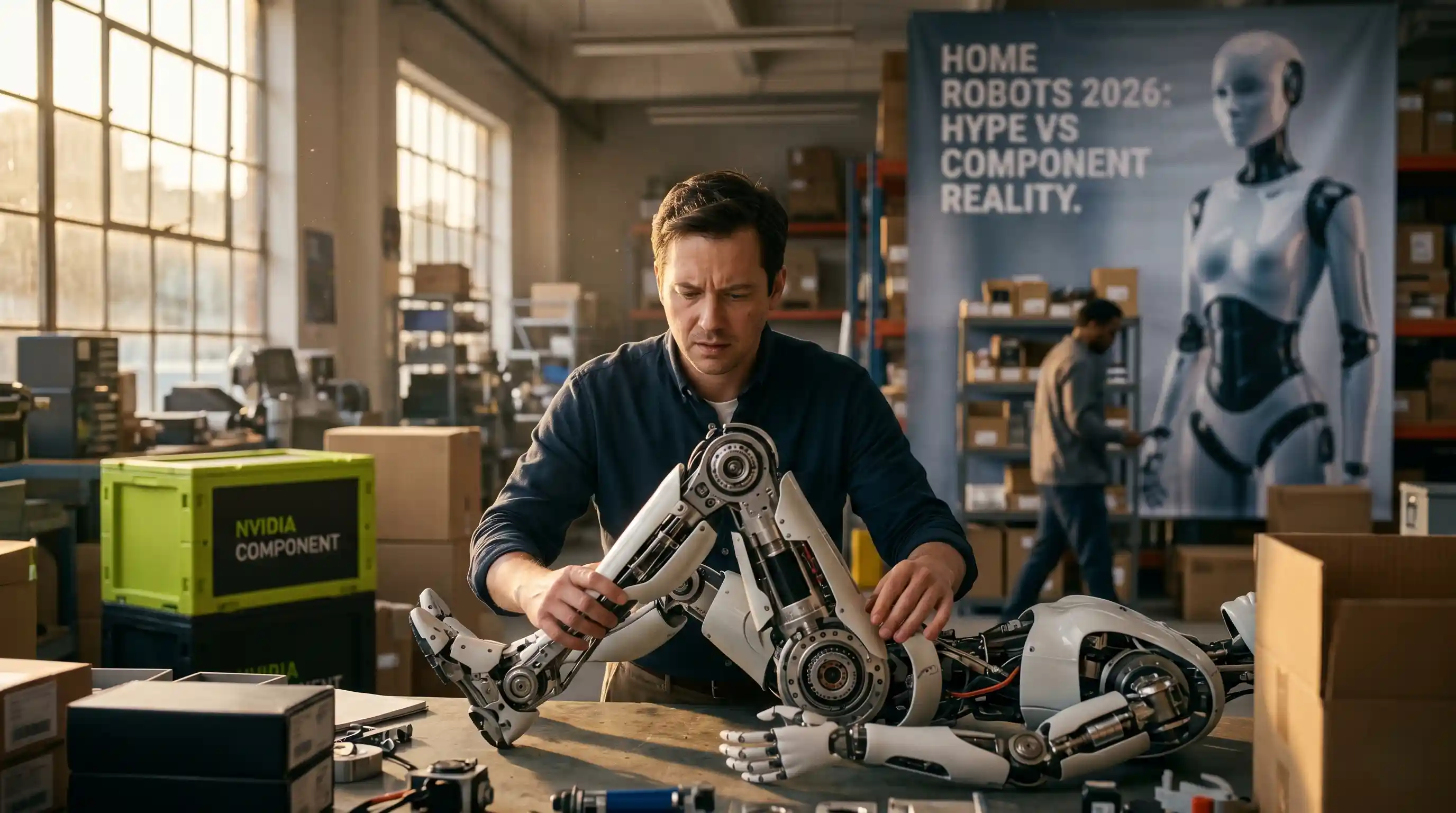
- Beyond Large-Caps: Relying entirely on high-profile automotive conglomerates limits your exposure to specialized market gains.
- The Component Bottleneck: True long-term value sits with specialized vendors manufacturing high-torque harmonic drive precision reducers.
- Edge Compute Demands: Onboard cognitive engines require massive chip allocations, positioning certain semiconductor companies as vital gatekeepers.
- Private Equity Moats: Several top-tier consumer humanoid brands remain entirely private, keeping their financial gains out of standard retail reach.
Humanoid robot stocks aren't just Tesla. The real upside may sit with the suppliers no one names.
As venture capital and retail investments pour into the embodied artificial intelligence ecosystem, smart market participants are shifting focus away from consumer brand frontrunners to inspect the physical supply chain.
Before allocating capital toward any individual robotics manufacturer or component vendor, it is essential to review our master strategic overview: Home Humanoid Robots 2026: Buy Now or Wait?
Aligning your investment horizon with real-world production constraints will protect your portfolio from speculative bubbles.
The current robotics market mimics historical gold rushes. While public attention fixates on the finalized machines, the predictable financial returns often accumulate among the suppliers manufacturing the specialized motors, sensors, and structural components.
Moving Beyond Tesla: The Broadening Robotics Investment Landscape
Pure-Play Humanoid Innovators vs. Large-Cap Conglomerates
Evaluating the current selection of humanoid robot stocks to watch requires drawing a clear line between pure-play innovators and large-cap corporations.
Large conglomerates offer stable balance sheets and existing revenue streams from automotive or industrial sales. However, their robotics divisions represent only a fraction of their total corporate valuation.
True pure-play stocks offer direct financial exposure to automation breakthroughs but bring high volatility and intense R&D burn rates.
The Hidden Supply Chain: Actuators, Sensors, and Precision Reducers
The most sustainable investment angle in modern automation uses a classic pick-and-shovel market strategy. A humanoid robot requires an intricate array of framing components to mimic human biomechanics safely.
This includes specialized strain gauge load cells, high-density frameless motors, and precision reducers.
Investing in companies that supply these foundational parts ensures your portfolio gains value regardless of which retail brand wins the consumer market.
Mapping the Pick-and-Shovel Stock Watchlist
Semiconductors and Onboard Edge Compute Infrastructure
Advanced bipedal platforms require immense computational power to process spatial vision data and torque feedback locally.
This processing demand positions dominant semiconductor manufacturers as core holdings within the robotics supply chain. These silicon providers design the specialized system-on-a-chip architectures and graphics processing units that serve as artificial brains.
Without their specialized hardware, consumer humanoids cannot execute real-time path planning.
Robotics Component Suppliers and Harmonic Drive Mechanics
Mechanical joint articulation represents another major investment vector. Precision gear reducers, specifically harmonic drives, allow a robot's joints to move smoothly without loose play or backlash.
The global manufacturing capacity for these highly specialized gear systems is concentrated among a few precision engineering firms. As production lines scale to meet rising consumer pre-orders, these component vendors face historic demand backlogs.
To see how these physical joint limits impact consumer utility rankings, explore our hardware comparison: best humanoid robots 2026.
Financial Market Risk Assessments and Long-Term Projections
Navigating Hype Cycles and Capital Expenditure Burn Rates
The automation sector is highly vulnerable to extreme market sentiment shifts and extended hype cycles.
Many early-stage robotics companies operate with massive capital expenditure profiles, burning through cash to iterate complex physical hardware.
Investors must look past viral product videos to carefully audit a company's cash reserves, debt levels, and commercial enterprise partnerships. Businesses relying purely on retail hype without secured industrial deployment contracts face steep financial tailwinds if the market cools down.
Conclusion & CTA
Positioning your portfolio for the automation boom requires moving past basic consumer headlines to execute a thorough supply chain audit.
By allocating capital toward specialized edge compute designers and precision gear manufacturers, you build a diversified portfolio positioned to capture value regardless of which front-end brand gains market dominance.
To track breaking market shifts, emerging manufacturing standards, and macroeconomic technology trends, monitor our primary archive: AI Living, Smart Homes & Robots hub.

Frequently Asked Questions (FAQ)
The top stocks to watch include semiconductor leaders designing edge-AI chips, precision motion component manufacturers, and industrial automation firms. Focusing on hidden supply chain vendors often yields more stable long-term value than tracking consumer-facing brands alone.
Tesla represents a powerful, large-cap automation play due to its massive manufacturing infrastructure and deep investments in machine learning. However, because its current revenue is driven almost entirely by automotive sales, its stock is not a pure-play robotics asset.
True, public pure-play consumer humanoid stocks are exceptionally rare. Most leading developers operate as privately held startups or specialized subsidiaries under massive industrial parent companies, forcing retail investors to look further down the supply chain.
No, as of mid-2026, both 1X Technologies and Figure AI remain privately held entities backed by venture capital and corporate tech grants. Retail investors cannot buy direct public shares, though they can invest in public tech giants that hold equity stakes in them.
The supply chain is dominated by specialized engineering firms manufacturing harmonic drive gear reducers, frameless electric motors, and advanced force sensors. These low-profile component companies represent the foundational "picks and shovels" of the robotics market.
Yes, multiple specialized robotics and artificial intelligence exchange-traded funds (ETFs) trade on global markets. These basket funds hold diversified positions across component vendors, vision software creators, and industrial automation giants, reducing single-stock risks.
Long-term market research projections suggest the global humanoid sector could scale into a multi-billion dollar industry over the next decade. Initial market growth is concentrated in commercial logistics and automotive factory floors before expanding into homes.
Nvidia acts as a major pick-and-shovel robotics asset by supplying the simulation platforms, developer tools, and Jetson Thor processing modules that drive modern humanoids. Their silicon frameworks serve as the computing standard for many leading robotics teams.
They offer exceptional long-term growth potential but carry high capital risk and immense market volatility. Success requires treating the sector as a highly speculative technology play and diversifying positions across multiple component levels rather than picking one winner.
Primary risks include extreme hardware development costs, rapid technology obsolescence, and shifting regulatory frameworks. Additionally, single-product companies face severe downside risks if their early manufacturing batches suffer from performance bugs or design recalls.