Is AI Voice Legal? Why Your Licensing Contract is More Important Than Copyright
Quick Summary: Key Takeaways
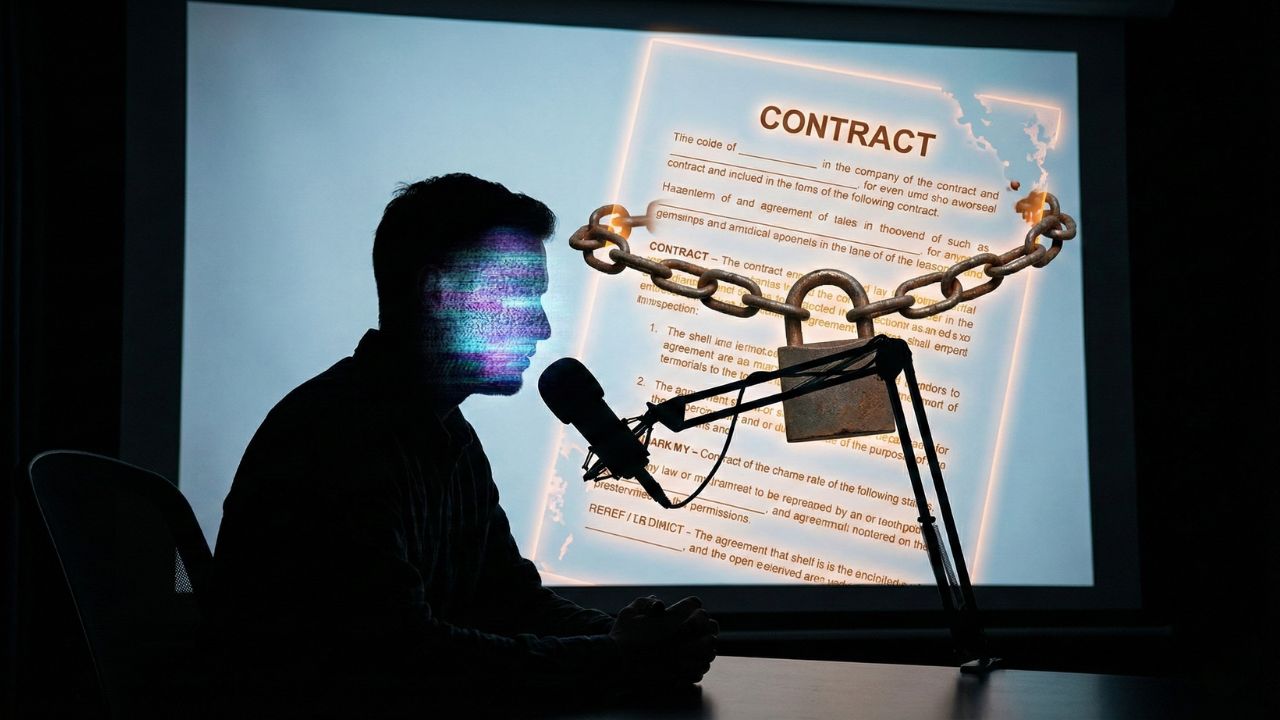
- The Golden Rule: In the US, you generally cannot copyright the AI-generated audio itself, but you can own the commercial usage rights via contract.
- Right of Publicity: Cloning a celebrity's voice without permission is illegal in most jurisdictions, regardless of the tool you use.
- Platform Terms Matter: Paying for a "Pro" plan often grants you commercial ownership; using a "Free" tier usually forfeits those rights.
- Labeling Laws: New 2026 regulations often require creators to disclose when a voice is AI-generated to avoid fraud penalties.
- Likeness vs. Data: Owning the "output" is different from owning the "likeness", you can own the file, but not the voice identity if it mimics a real person.
Introduction
Navigating the legal landscape of generative audio is complex. The question "Is AI voice legal for commercial use" doesn't have a simple "yes" or "no" answer, it depends entirely on how you generated it and whose voice you used.
While the technology has democratized professional audio, it has also created a minefield of copyright and likeness issues. This deep dive is part of our extensive guide on Professional AI Voice Synthesis Tools: The 2026 Guide to Human-Grade Audio.
In this guide, we will strip away the legalese and focus on the two things that matter: your licensing contract and the "Right of Publicity."
The "Copyright" Myth in AI Audio
Many creators mistakenly believe that if they prompt the AI, they own the copyright to the result. Under current US Copyright Office guidance, purely AI-generated works cannot be copyrighted because they lack human authorship.
However, this doesn't mean you can't use them. It means your protection comes from your End User License Agreement (EULA) with the software provider, not federal copyright law.
This makes reading the fine print on platforms like ElevenLabs or Murf AI critical.
The "Right of Publicity" Trap
This is where most businesses get sued. Even if you have a commercial license for the software, you do not have the right to clone a celebrity or a recognizable person without their consent.
This falls under "Right of Publicity" laws, which protect a person's likeness (including their voice) from commercial exploitation. Example: You cannot clone Morgan Freeman for your car dealership ad, even if you paid for the AI tool.
The Fix: Always use the platform's stock "Standard" voices or clone your own voice. If you are creating clones, ensure you follow the technical and ethical steps we outlined in our ElevenLabs Tutorial 2026 to avoid accidental infringement.
Commercial Use: Free vs. Paid Plans
The biggest trap for new creators is the "Free Tier." Almost every major AI voice platform operates on a specific model:
- Free Plan: You can generate audio for personal use/testing, but the platform retains ownership. Attribution is often required.
- Paid Plan: You are granted a "Commercial License" to the assets you generate.
If you monetize a YouTube video using audio generated on a free account, you are technically infringing on the software company's terms of service.
Disclosure and Transparency
In 2026, hiding the fact that you are using AI is becoming a legal risk. The FTC and various platforms are cracking down on "synthetic media" that isn't labeled.
If you are using AI for journalism or documentary work, disclosure is often mandatory. This helps distinguish legitimate content from malicious fraud.
To understand the difference between a legal production and a scam, review our guide on How to Spot Deepfake Audio.
Conclusion
Don't let legal fear stop you. Is AI voice legal for commercial use? Yes, provided you respect the "Right of Publicity" and pay for the commercial license.
Treat your AI voice actors with the same contractual respect as human ones, and your business will be safe.
Create Professional Voiceovers with AI. Try Murf AI
We may earn a commission if you buy through this link. (This does not increase the price for you)
Frequently Asked Questions (FAQ)
Generally, no. Under current US law, works created entirely by AI without significant human input are not eligible for copyright protection. However, you can protect the script (if you wrote it) and rely on the platform's terms of service for usage rights.
The Right of Publicity prevents the unauthorized commercial use of an individual's name, likeness, or voice. This means you cannot legally use an AI clone of a famous person (or anyone else) for ads or products without their explicit written permission.
Not necessarily. While the recording might not be copyrightable, the specific voice "skin" or character might be owned by the AI company. Furthermore, the underlying technology and the terms of use often restrict how the audio can be distributed.
Look for "Ethical AI" certifications or SOC2 compliance statements on the provider's website. Reputable platforms (like ElevenLabs or proprietary studio tools) publicly state that they partner with voice actors and pay royalties for the data used to train their models.
Using unlicensed clones can lead to lawsuits for copyright infringement, violation of the Right of Publicity, and breach of contract. In severe cases, platforms may ban your account, and you could face financial damages for "false endorsement" under the Lanham Act.
Sources & References
- US Copyright Office: Copyright Registration Guidance: Works Containing Material Generated by Artificial Intelligence.
- Federal Trade Commission (FTC): Policy Statement on Biometric Information and Unfair Marketing.
- Professional AI Voice Synthesis Tools: The 2026 Guide to Human-Grade Audio
- ElevenLabs Tutorial 2026: Secret Hacks for Unbeatable Voice Clones
External Sources
Internal Sources