Professional AI Voice Synthesis Tools: The 2026 Guide to Human-Grade Audio
Quick Summary: Key Takeaways
- Quality is King: The top tools in 2026 use Neural Text-to-Speech (NTTS) to capture breath, pause, and intonation.
- Cost Efficiency: Automating narration can reduce studio costs by up to 90% compared to traditional voiceovers.
- Ethical Safety: Understanding the legal difference between voice cloning and standard synthesis is vital for commercial use.
- Verification: As tools get better, learning to spot deepfakes is now a required skill for audio engineers.
- Monetization: AI audio isn't just for speaking; generative music is opening new revenue streams for creators.
Finding truly professional AI voice synthesis tools that don't sound robotic can feel like searching for a needle in a haystack.
You want human emotion and clarity, not that jarring, metallic twang that ruins your brand's credibility.
The Evolution of Generative Audio Trends 2026
The days of monotone GPS voices are long gone.
In 2026, the bar for professional AI voice synthesis tools is indistinguishable realism.
We are seeing a massive shift toward "emotive AI."
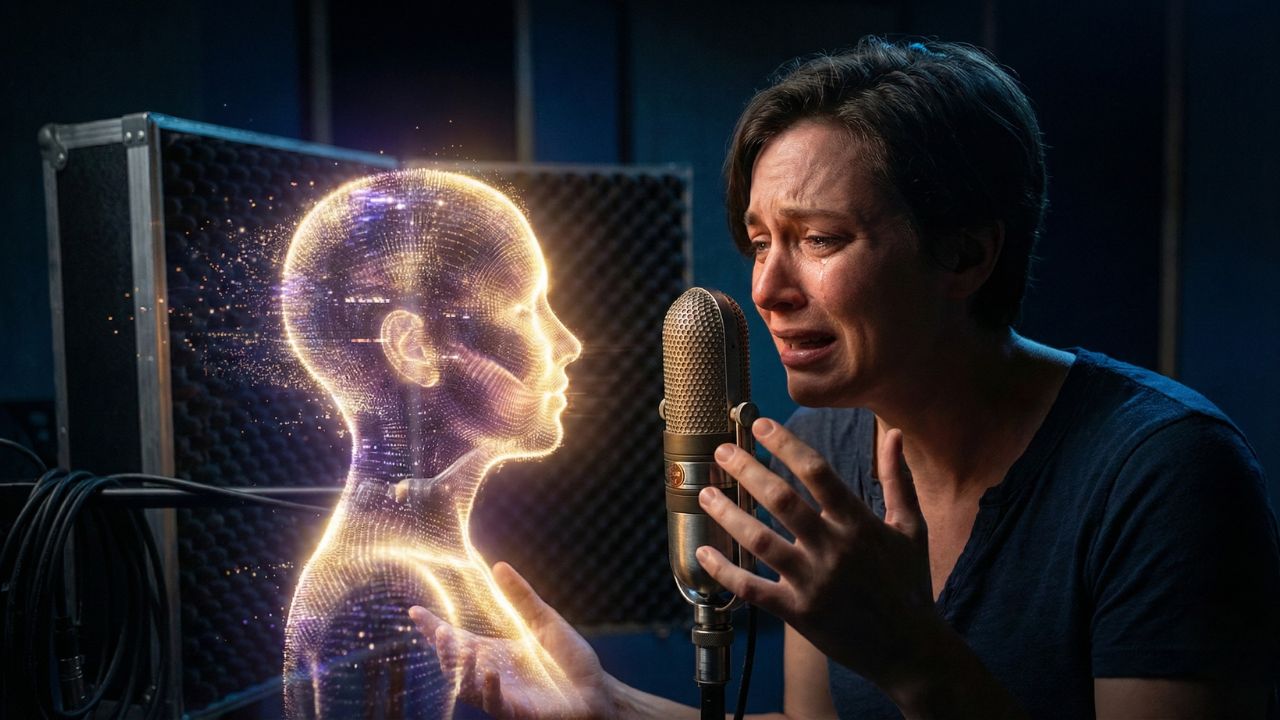
This means the software understands context. It knows when to whisper, when to shout, and when to crack a voice to convey sadness.
For creators, this unlocks the ability to produce audiobooks, podcasts, and video narration at a scale that was previously impossible.
Choosing the Right Tool for the Job
Not all engines are built the same. Some specialize in speed, while others focus on emotional depth.
If you are looking for the absolute cutting edge in emotive speech, you need to understand the nuances of the top platforms.
Many creators are flocking to specific platforms for their granular control over pitch and stability.
If you want to master the market leader, read our elevenlabs tutorial 2026 to unlock secret hacks for unbeatable voice clones.
The Dark Side: Security and Deepfakes
With great power comes great responsibility.
As these tools become more accessible, the risk of misuse rises.
Scammers are using high-fidelity clones to impersonate executives and family members.
It is no longer enough to just create audio; you must know how to verify it.
Protect your organization by learning how to spot deepfake audio, covering the 7 telltale signs that a voice isn't real.
Expanding Your Audio Portfolio: AI Music
Voice is only half the battle.
The generative audio revolution has moved into music production, allowing non-musicians to create royalty-free backing tracks.
This is a massive opportunity for YouTubers and streamers who struggle with DMCA strikes.
If you are ready to turn beats into cash, check out our guide on how to monetize AI music using platforms like Suno and Udio.
Are Professional AI Voice Synthesis Tools Legal?
This is the most common question we get from commercial brands.
The technology is moving faster than the law, creating a grey area that can be dangerous for businesses.
Standard TTS is generally safe, but voice cloning involves "Right of Publicity" laws that vary by region.
You cannot simply clone a celebrity and use it in an ad.
To ensure your contracts are watertight, read our breakdown: Is AI voice legal for commercial use?
Conclusion
The era of robotic narrators is over.
By leveraging the right professional AI voice synthesis tools, you can scale your content creation while maintaining the human connection your audience craves.
Frequently Asked Questions (FAQ)
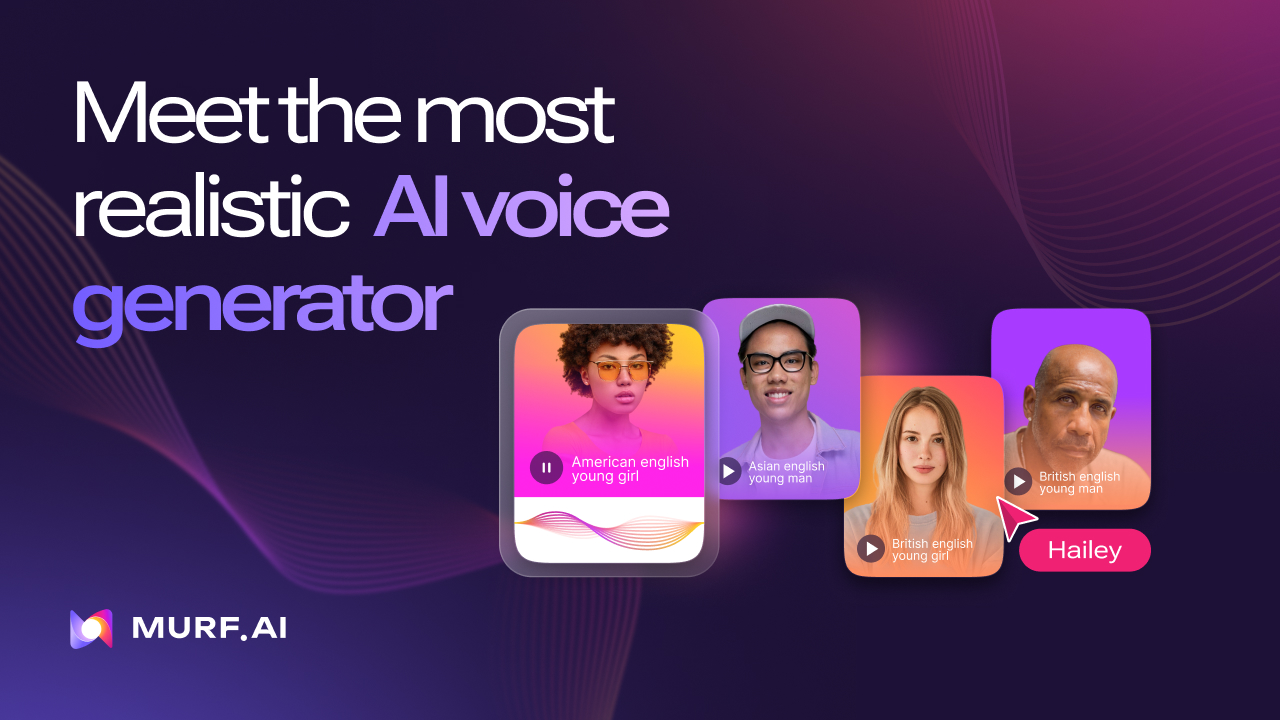
The top contenders currently include ElevenLabs for emotional realism, Murf AI for corporate presentations, and OpenAI's advanced voice mode for conversational fluidity. The "best" tool depends on whether you need static narration or real-time interaction.
To create a high-quality clone, you must provide the AI with clean, noise-free audio samples (usually 30 to 60 minutes) of the target voice. Ensure the speaker uses a high-end microphone and varies their emotional tone during the recording process.
Yes, generally speaking. Most professional AI voice synthesis tools offer commercial rights with their paid subscriptions. However, if you are using a cloned voice, you must have the explicit written consent of the person whose voice you cloned.
As of 2026, ElevenLabs v3 is widely considered to have the most realistic emotional range. It allows users to prompt specific emotions (like "whispering excitedly" or "angry shouting") that other models often struggle to render naturally.
Pricing varies significantly. Basic plans often start around $5-$20 per month for standard narration. Enterprise-grade solutions, which include custom voice cloning and high-volume character limits, can range from $100 to over $1,000 per month depending on usage.