Why Nvidia's AI Agents Just Made 'Bums on Seats' Outsourcing Illegal
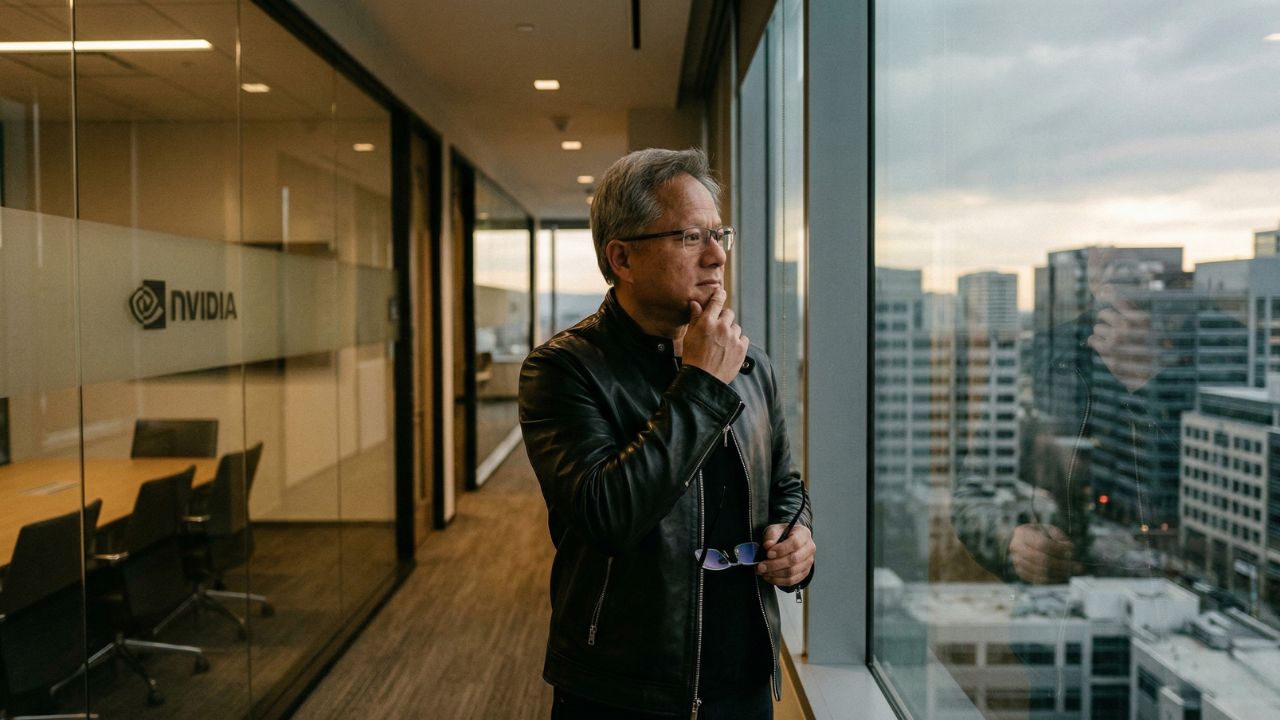
Nvidia CEO Jensen Huang just established a brutal new reality for the tech workforce: AI tokens are the new billable hour, effectively rendering the traditional offshore headcount model obsolete.
Global Capability Centers (GCCs) relying on hourly billing must instantly pivot to selling orchestrated compute outcomes, or face extinction as enterprise clients deploy autonomous agent swarms.
Quick Facts
- Token-based engineering: High-earning developers are now expected to consume hundreds of thousands of dollars in AI compute tokens annually.
- The GCC crisis: The media is focused on potential job losses, but the real crisis is the impending collapse of the traditional Global Capability Center (GCC) billing model.
- Survival strategy: GCCs must urgently transition their offshore models to selling orchestrated compute outcomes and intelligence-as-a-service, or they will be entirely disintermediated by direct enterprise token budgets.
The Death of Hourly Billing
Mainstream media is obsessing over potential engineering job losses, but they are missing the real financial earthquake. If Nvidia’s AI agents replace human engineers, outsourcing firms can no longer bill by the hour or justify "bums on seats". The foundation of offshore IT is fracturing. As developers experience a shift from writing syntax to agentic workflow management, the unit of productivity changes entirely. It is no longer human time, but raw compute capability.
The Token Economy
Nvidia treats AI tokens identically to office laptops. They are mandatory infrastructure for modern engineers. CEO Jensen Huang publicly stated that an engineer earning $500,000 should burn through at least $250,000 in AI compute tokens annually.
"If that $500,000 engineer did not consume at least $250,000 worth of tokens, I am going to be deeply alarmed. This is no different than a chip designer who says 'I'm just going to use paper and pencil.'" — Jensen Huang
This compute-heavy ecosystem forces a radical operational shift. Discover how to pivot your offshore hub to an agentic orchestration center before contracts dry up.
Governing the Swarm
The shift to machine-to-machine spending introduces entirely new corporate vulnerabilities. Organizations that fail to properly govern their autonomous workflows risk catastrophic cloud bills. Executives must enact strict protocols to prevent infinite looping fees from Nvidia AI workers. The transition requires offshore leaders to master FinOps and outcome-based billing models for AI agent workforce deployments.
Why It Matters?
Jensen Huang's token-based workforce means the impact of Nvidia AI agents on GCCs is catastrophic for hourly billing. Enterprise clients will soon possess the internal infrastructure to bypass traditional outsourcing vendors entirely. Offshore tech hubs must immediately evolve into agentic orchestration centers. Those who cling to legacy syntax writing and headcount-based contracts will find their enterprise pipelines rapidly drying up.
Frequently Asked Questions
1. How will Nvidia AI agents change the traditional IT outsourcing model?
Nvidia AI agents replace human-driven coding tasks with autonomous execution, making hourly billing obsolete and shifting the focus to token-based orchestration.
2. What is the impact of Nvidia AI agents on GCCs and offshore teams?
Offshore teams face an immediate threat to their headcount models. They must pivot to managing agent swarms rather than writing monolithic boilerplate code.
3. How can Global Capability Centers transition from hourly billing to token-based pricing?
GCCs must adopt outcome-based billing models that charge for the compute power and intelligence delivered, rather than the human hours spent on a project.
4. Will autonomous AI engineers replace human software developers in tech hubs?
They will replace developers who only write syntax. Humans will evolve into system-level workflow orchestrators who manage and govern distributed AI systems.
5. What are the new KPIs for measuring AI agent productivity in a GCC?
Productivity is now measured by token efficiency, orchestration success rates, and the ability to solve undiscovered problems without infinite looping.
6. How do token economics work for enterprise software engineering?
Enterprises allocate token budgets to engineers. Every prompt, API call, and agent action consumes tokens, effectively making compute the new currency of development.
7. What is an agentic orchestration hub and how do I build one?
It is a center focused on governing machine-to-machine workflows. Building one requires mastering context engines, Agentic FinOps, and deploying token circuit breakers.
8. How should offshore tech leaders prepare for Jensen Huang's vision of the future of work?
Leaders must retrain their workforce to stop writing boilerplate code and start architecting, monitoring, and steering multi-agent enterprise applications.
9. Can enterprise clients bypass GCCs entirely using Nvidia's AI agent APIs?
Yes. If a GCC only offers manual coding services, enterprises can directly allocate token budgets to internal orchestrators and bypass the offshore vendor completely.
10. What skills do current GCC managers need to survive the transition to autonomous workforces?
Managers need deep expertise in prompt engineering, context engine governance, technical debt management in multi-agent systems, and strict token cost ROI analysis.