Is 'Persona' Spyware? We Read the Terms of Service So You Don't Have To
Key Takeaways: Is Persona AI Safe?
- Verdict: Persona is not spyware; it is a legitimate robust identity verification platform used by major tech companies (like LinkedIn, Square, and Character.AI).
- Data Separation: In most cases, the AI platform (e.g., Character.AI) does not see your raw ID card; they only receive a "Pass/Fail" token from Persona.
- Risks: The primary risk isn't malicious spyware, but centralized data breaches. If Persona gets hacked, your government ID and biometric face map could be exposed.
- Alternatives: If you refuse to scan your ID, you must switch to private, no-log AI chatbots that don't require verification.
You just wanted to chat with your favorite bot. Suddenly, a pop-up blocks your screen demanding a photo of your driver's license and a selfie. It feels intrusive. It feels dangerous.
And for many privacy-conscious users, it raises a terrifying question: Is Persona AI safe, or did you just hand your digital soul over to a data broker? We dug through the dense legal jargon of the Terms of Service (ToS) and analyzed their privacy policy to give you the plain English truth.
Note: This investigative report is part of our extensive guide on The Privacy War: Why AI ID Checks Are Everywhere (And What They Do With Your Data). If you want to understand why this is happening, start there.
Who Is "Persona" and Are They Legit?
First, let’s clear up the "spyware" rumor. Persona (Persona Identities, Inc.) is not a virus or malware. It is a San Francisco-based identity infrastructure company. They are the "bouncer" at the door of the internet.
When Character.AI or other platforms ask for age verification, they outsource this risky job to Persona. They do this so they don't have to store your sensitive ID cards on their own servers (which are often less secure).
The "Spyware" Accusation: People call it spyware because Persona collects aggressive amounts of data during the check:
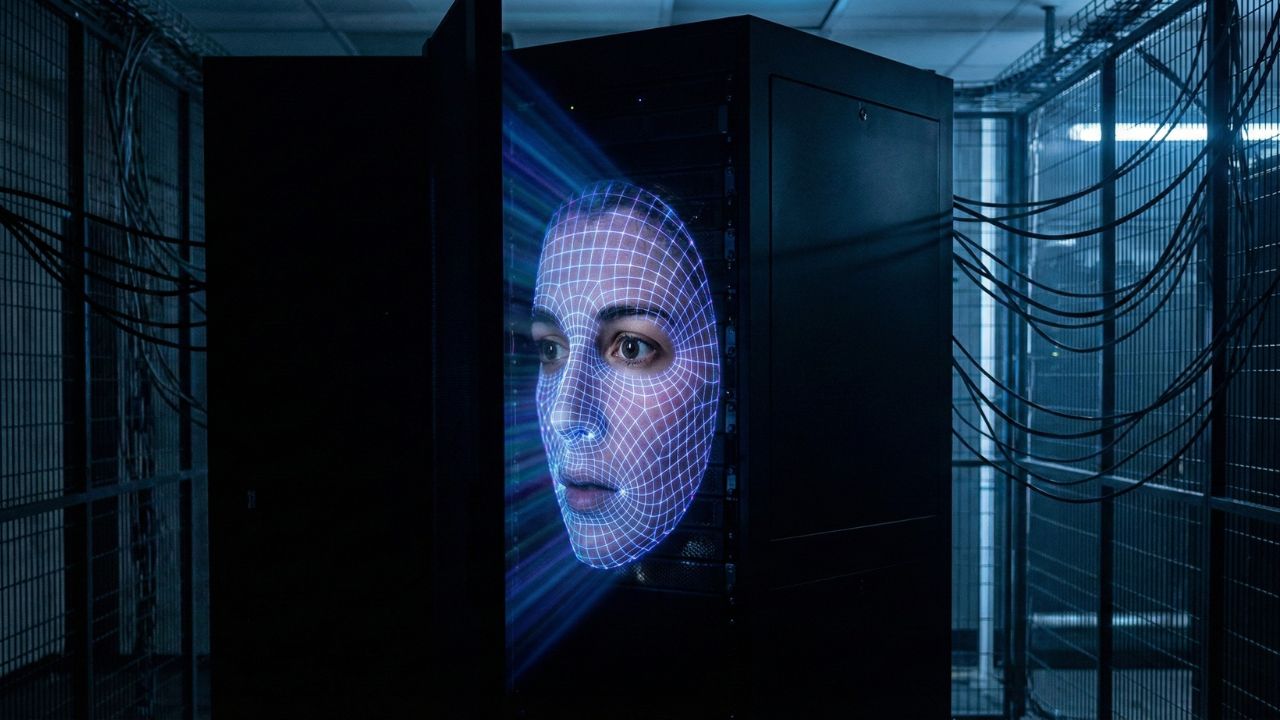
- Biometrics: A 3D map of your face structure.
- Device Fingerprinting: Your IP address, browser type, and location.
- Government Documents: High-res scans of your passport or license.
While this feels like spying, it is standard procedure for "Know Your Customer" (KYC) compliance laws. However, safe does not mean private.
The "Black Box" Problem: What Happens to Your ID?
The biggest fear users have is that the AI company (the chatbot site) keeps a copy of their driver's license. The Reality: In a standard integration, Character.AI does not receive your ID card.
You upload your ID to Persona’s encrypted server. Persona analyzes it. Persona sends a signal back to Character.AI saying: "User is 18+. Verified." Character.AI unlocks your chat.
This "Zero-Knowledge" proof is safer than emailing your ID to a moderator. However, you are still trusting Persona's database.
Data Retention: The Fine Print
Here is where the "Is Persona AI safe?" question gets murky. According to general privacy policies for identity processors, they may retain data for various reasons.
Legal Compliance: Sometimes up to 3-7 years if required by financial laws (less common for simple age checks).
Algorithm Training: Some clauses allow companies to use "anonymized" data to improve their scanning AI.
Dispute Resolution: If you get banned and appeal, they need the record to prove why you were banned. Warning: Even if you delete your Character.AI account, your biometric signature might still sit on Persona’s servers until their specific retention period expires.
The Real Risk: One Hack to Rule Them All
The danger isn't that Persona is evil; it's that they are a honeypot. Because Persona verifies millions of users for companies like Square, Doordash, and LinkedIn, their servers are a massive target for hackers.
If cybercriminals breach Persona, they don't just get your email, they get your Government ID and your Biometric Face Map. Unlike a password, you cannot reset your face.
Don't Trust ID Checks? Here Is Your "Out"
If reading this makes you uncomfortable, you have two choices: Submit your ID and accept the risk of a potential future data breach, or leave the platform.
There is no "cheat code" to bypass Persona with a fake ID, their AI detects Photoshop and screen glares instantly. If you value privacy over convenience, you need to migrate to platforms that don't ask for ID.
Privacy Tip: We reviewed the top alternatives in our guide: Stop Using Character.AI: 5 'No-Log' Apps That Actually Respect Your Secrets. These apps are often self-hosted or use encryption that makes ID checks impossible.
Conclusion
So, is Persona AI safe? In terms of cybersecurity, yes, it is likely safer than a random AI startup handling your data. They use bank-grade encryption.
But in terms of privacy, you are creating a permanent link between your real-world identity and your private chat logs. For casual chatting, the risk-to-reward ratio is high. If you are unwilling to take that gamble, skip the verification and check out our list of anonymous, no-log AI alternatives instead.

Frequently Asked Questions (FAQ)
Currently, no. Most "estimated age" systems (like facial estimation) are inaccurate, so platforms default to hard ID checks (Government ID or Credit Card).
You will likely be permanently banned. Persona’s system checks for holographic security features and database inconsistencies. Once your "device fingerprint" is flagged for fraud, you may be shadowbanned from other sites that use Persona as well.
Like all US-based tech companies, if they receive a valid subpoena or court order, they must comply. They generally do not volunteer data to law enforcement without legal compulsion.
This depends on the contract between the AI site and Persona. It can range from "immediate deletion" (rare) to 3 years (common for biometric laws in states like Illinois/BIPA). You must check the specific privacy policy of the app you are using.
Class-action lawsuits regarding biometric data are becoming common (especially under BIPA laws). However, you usually sign away your right to sue in the Terms of Service, forcing you into "Binding Arbitration" instead.