AI AS A FORCE MULTIPLIER

KARTIK SHARMA

Session Overview

Digital Twins, Co-Pilots, and the Future of Work.

Kartik Sharma opened with a striking premise: because humans need sleep and rest, society effectively operates at only around 28.4% of its capacity. AI, he argued, exists to augment this limited "brain computing power" — not replace human judgment, but multiply what people can get done.

The session explored the rise of "digital twins" — AI models trained on a person's historical data to think, speak, and even present on their behalf, from Reid Hoffman's AI trained on two decades of his own writing and talks, to holographic multilingual twins that can deliver a keynote in another language while preserving the speaker's exact voice and tone. Kartik also walked through how workplace co-pilots are simplifying everyday tasks — letting a CEO ask a question out loud instead of digging through PowerBI filters — and outlined a practical path for building AI systems: fine-tune open-source models instead of building from scratch, reach for Small Language Models when the use case is narrow, and lean on existing platforms rather than native infrastructure.

He closed by grounding the excitement in reality — bias, hallucinations, and AI's current inability to replicate human emotional intelligence remain real limitations — before painting a picture of AI as a long-term force multiplier for higher-order human work.


Key Takeaways & Concepts

  • Expanding Human Capacity: Humans effectively operate at ~28.4% capacity due to sleep and rest; AI augments this limited "brain computing power" to unlock greater efficiency.
  • The Rise of Digital Twins: AI models trained on a person's historical data — from Reid Hoffman's book-and-podcast-trained twin to holographic multilingual avatars — can act, speak, and even present on someone's behalf.
  • Co-Pilots in the Workplace: Conversational AI layers let people query knowledge graphs, assist with analytics, and generate new content (code, designs, even gene sequences) without navigating complex tools.
  • Build Smart, Not from Scratch: Fine-tune open-source models (e.g., via Hugging Face), use Small Language Models for narrow use cases, and leverage existing platforms like Microsoft Copilot Studio and Fabric instead of building foundation models.
  • Ethics, Bias & Hallucinations: AI systems need diverse training data to avoid real-world failures, and require Retrieval-Augmented Generation (RAG) to fact-check and reduce hallucinated outputs.
  • The Human Element: AI still struggles to replicate human emotional intelligence — for example, the pastoral, comforting touch a doctor brings when reading vague patient symptoms.
  • A Force Multiplier for the Future: As AI, Mixed Reality, and Quantum Computing converge, physical distance becomes irrelevant — and non-technical founders will be able to build and scale ideas by "subscribing" to digital twins of experts.

Session Highlights

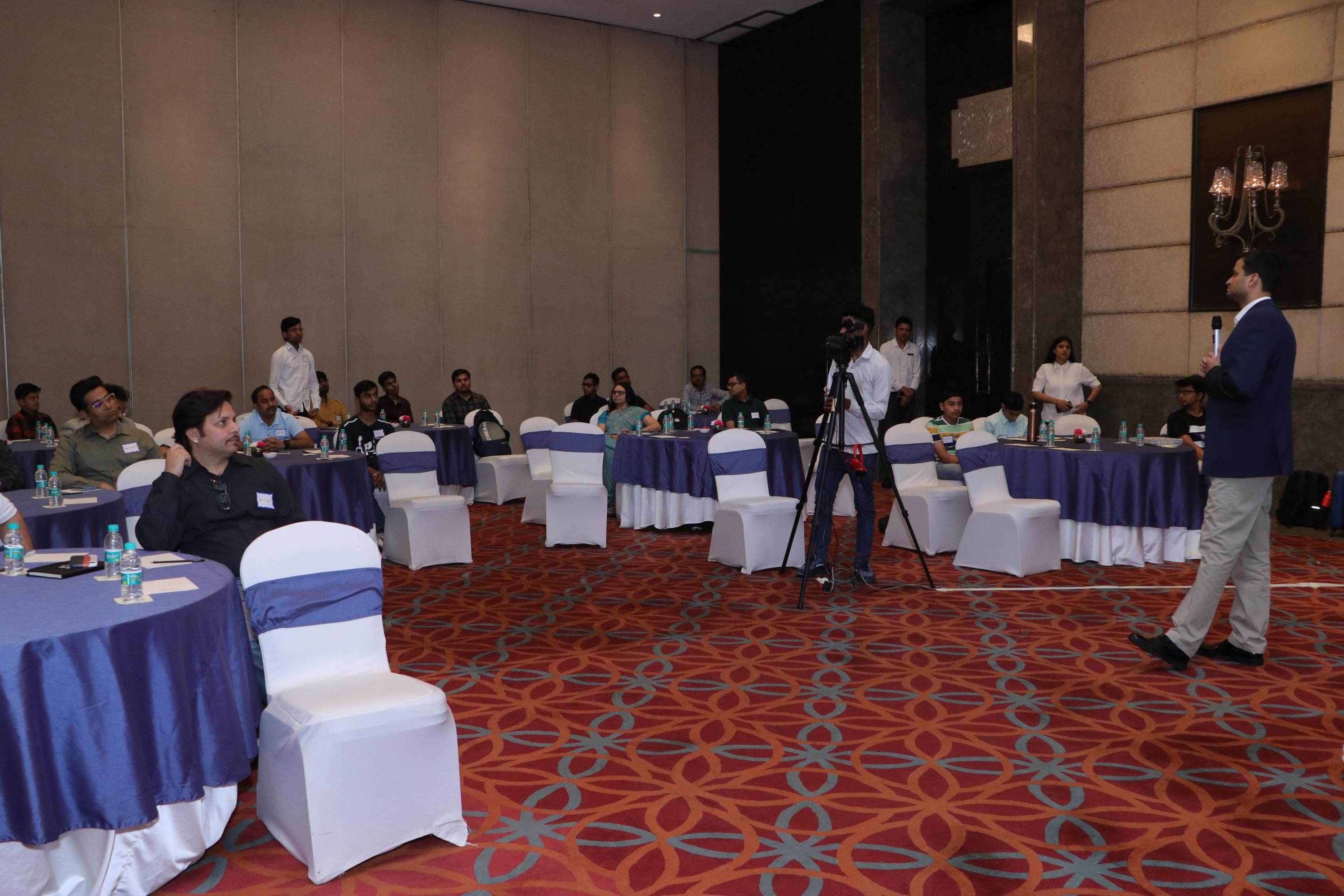
Kartik Sharma presenting at AI Dev Day India 2024
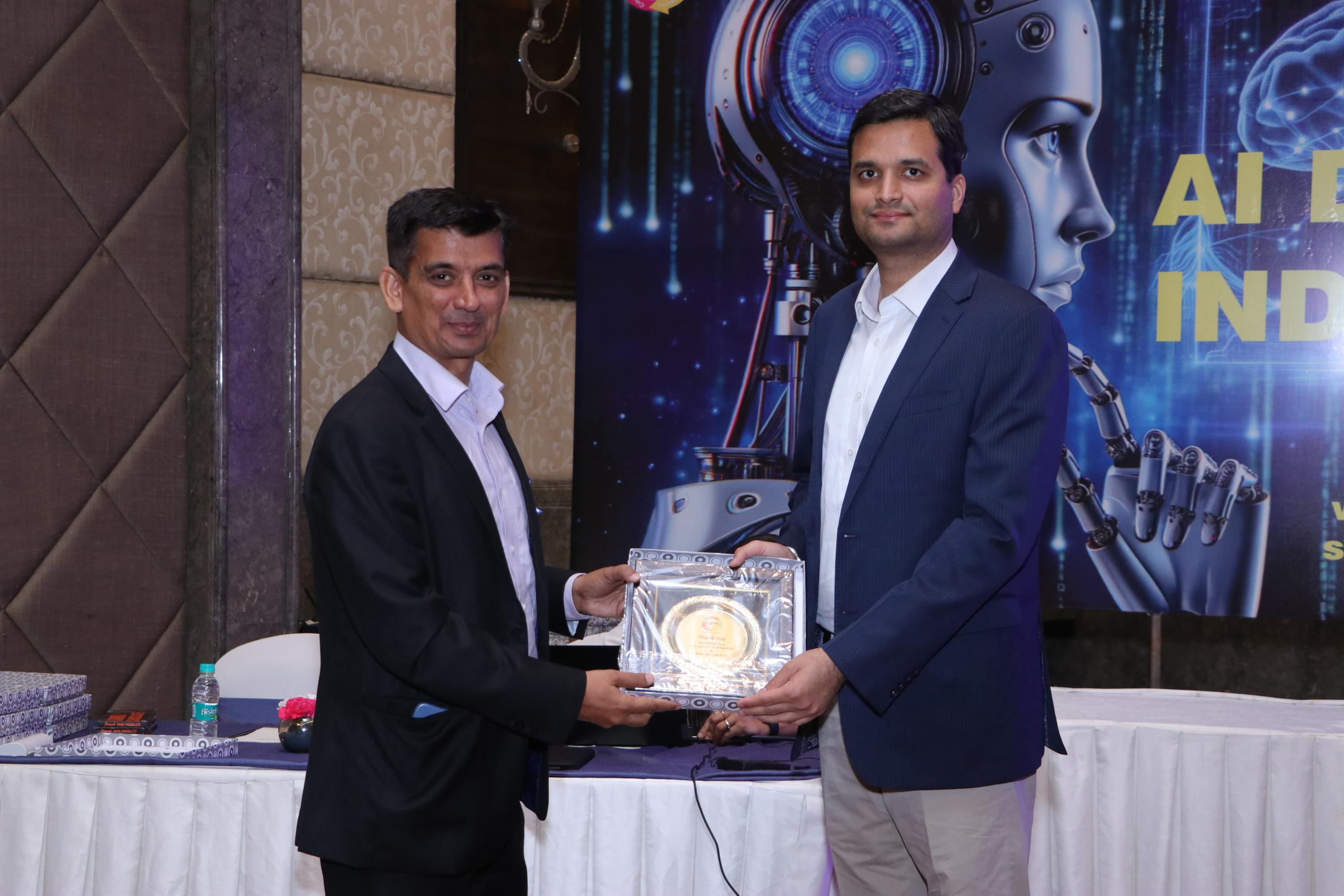
Kartik Sharma session moment
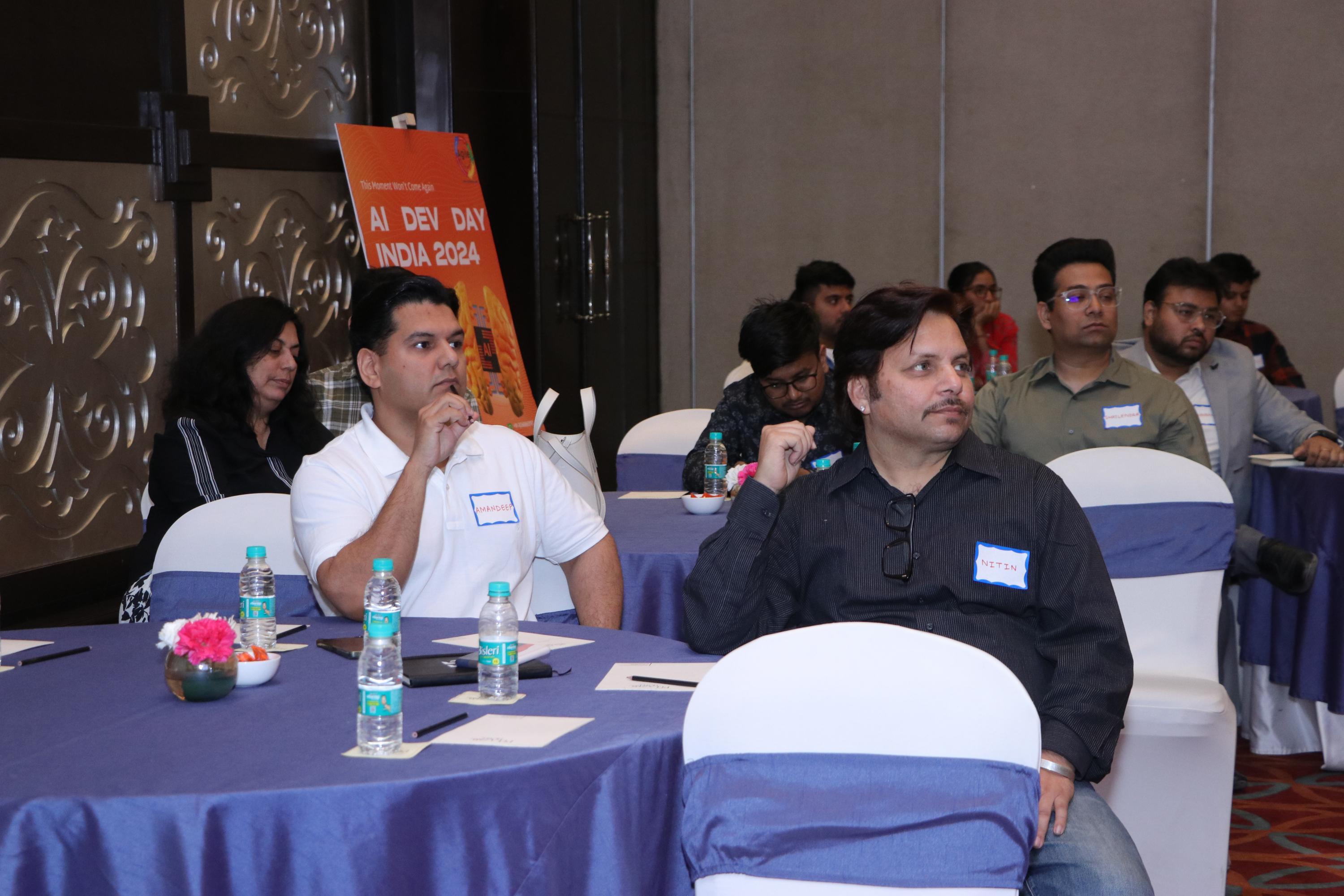
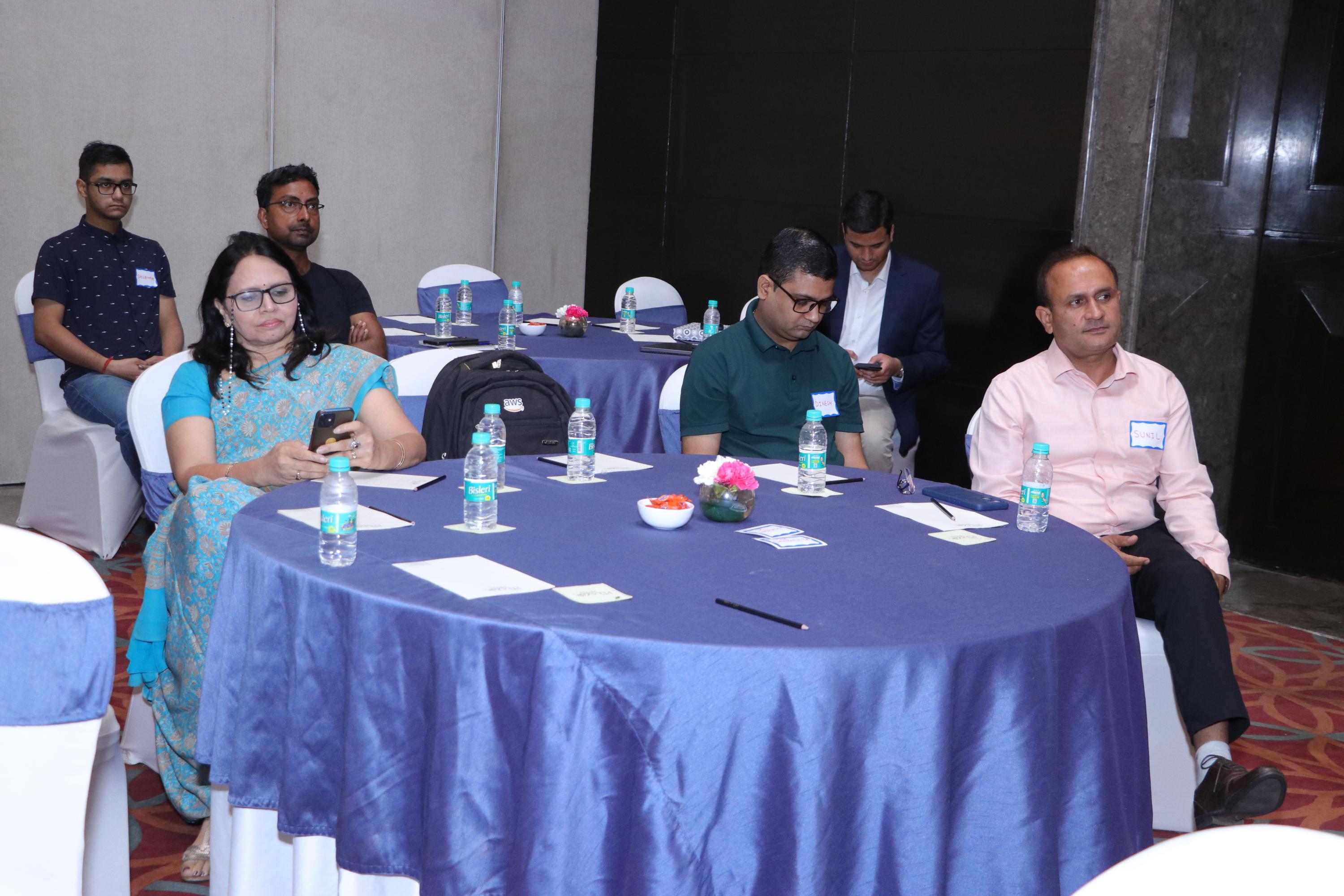
Audience engaging with Kartik Sharma's session
Kartik Sharma Q&A

Up Next:

RAG in Practice

Vineet Saini's Session