They Cloned My Voice in 3 Seconds: The Terrifying Reality of AI Identity Theft
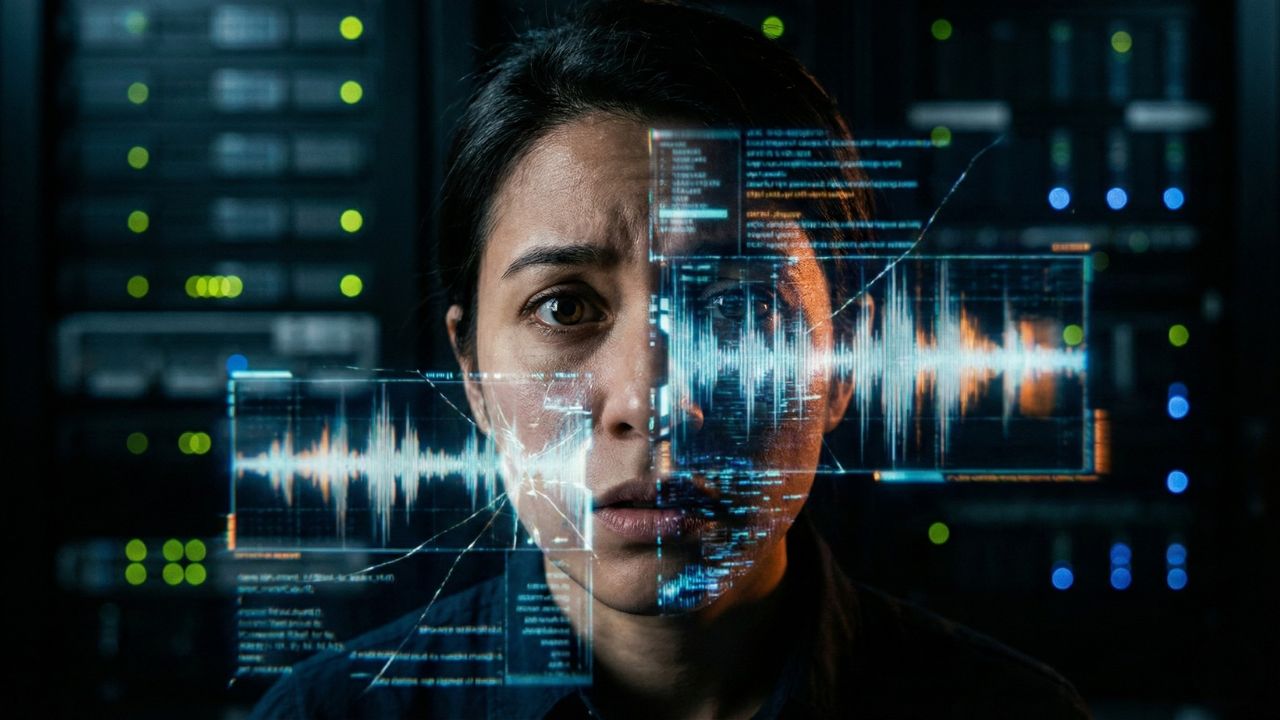
Key Takeaways: Quick Privacy Wins
- The 3-Second Rule: Modern AI only needs 3 seconds of clear audio to create a convincing clone of your voice.
- Streamers are Targets: High-quality microphone audio from gaming streams is the perfect training data for scammers.
- Biometrics are Broken: "Voice ID" used by banks is no longer a secure method of authentication in 2026.
- Digital Scrubbing: You must actively "poison" or lock down your data to prevent unauthorized AI training.
- Identity Theft Insurance: New policies specifically covering "Deepfake Defense" are becoming essential.
It used to take hours of studio recording to fake a voice. Now, it takes moments. While we often focus on celebrity deepfakes, the real targets are changing.
Gamers, streamers, and remote workers are the new goldmine for data scrapers. If you have a public profile with clean audio, you are at risk.
This deep dive is part of our extensive guide on The Privacy War: Why AI ID Checks Are Everywhere (And What They Do With Your Data). Below, we break down deepfake protection for gamers, how to lock down your biometric footprint, and why your voice is now your most vulnerable password.
The New Era of Biometric Piracy
The technology has moved terrifyingly fast. Microsoft’s VALL-E and similar open-source models demonstrated that AI can clone a voice using just a 3-second audio clip.
How They Clone You: The 3-Second Danger
For a scammer, this is trivial to obtain.
- The "Wrong Number" Call: A scammer calls you, waits for you to say "Hello? Who is this?" and hangs up. That is often enough data.
- Social Media Stories: A short clip of you speaking on Instagram or TikTok provides ample training data.
- Gaming Streams: This is the highest risk. Streamers use high-fidelity microphones and speak for hours. Scammers can feed this clean audio into cloning software to generate endless clips of "you" saying anything they want.
Why Gamers and Streamers Are the New Targets?
If you are a content creator, your voice is your brand. But it is also a liability. Deepfake protection for gamers is critical because scammers are using cloned voices to:
- Bypass Bank Security: Many banks use "Voice ID" for phone banking. An AI clone can breezily bypass these checks.
- Scam Your Followers: Scammers create fake audio endorsements where "you" promote a crypto scam or malicious link.
- "Grandparent" Scams: They call your family using your voice, claiming you are in jail or the hospital and need money immediately.
Critical Note: This rise in sophisticated identity theft is exactly why platforms are demanding ID verification. If you are skeptical about uploading your government documents to verify your humanity, check out our investigative report: Is 'Persona' Spyware? We Read the Terms of Service So You Don't Have To.
3 Steps to Lock Down Your Biometric Data
You cannot silence yourself, but you can make your data harder to steal.
1. Poison the Well (Audio Watermarking)
New tools (similar to "Glaze" for artists) are being developed for audio. These tools inject imperceptible noise into your recordings. To the human ear, it sounds normal. To an AI training model, it sounds like static or garbage data.
2. Switch to Multi-Factor Authentication (MFA)
Stop using voice authentication immediately. If your bank offers "Voice ID," turn it off. It is no longer safe. Rely on hardware keys (like YubiKey) or app-based authenticators. Voice is public; it should not be a password.
3. Audit Your Digital Footprint
Protect your voice from AI cloning by auditing where you exist online.
- Set personal social media profiles to private.
- Delete old videos from platforms you no longer use.
- If you stream, consider using a subtle vocal filter or background noise gate that disrupts AI modeling without ruining the listener experience.
Deepfake Insurance: The Safety Net of 2026
As prevention becomes harder, mitigation becomes necessary. Deepfake Insurance is a real product emerging in 2026. Similar to identity theft protection, these policies cover:
- Legal fees to issue takedown notices for deepfake content.
- PR crisis management if a deepfake ruins your reputation.
- Financial reimbursement for funds stolen via voice-authorized fraud.
If you are a public figure or high-profile streamer, this is no longer optional.
Conclusion
The era of trusting what you hear is over. Whether you are a professional streamer or just someone who posts stories on Instagram, your voice is data.
Deepfake protection for gamers and everyday users is about vigilance. Don't wait until your voice is used against you. Lock down your bios, switch off voice authentication, and stay skeptical.

Frequently Asked Questions (FAQ)
Yes. Advanced models like VALL-E need only 3 seconds of clean audio to capture your vocal tone and emotional cadence.
Use audio watermarking tools if available, avoid using "Voice ID" for banking, and consider adding a subtle background music track to your streams, which makes it harder for AI to isolate your voice.
Immediately report it to the platform (YouTube/Twitch) as a privacy violation. If it is being used for fraud, file a report with your local cybercrime authority and freeze your credit.
No. Security experts now consider voice biometrics insecure due to the accessibility of high-quality AI cloning tools.
Yes, generative AI is increasingly capable of creating realistic document images. This arms race is why verification companies like "Persona" are using more invasive biometric scans.