Live to 150? How AI is Cracking the Aging Code
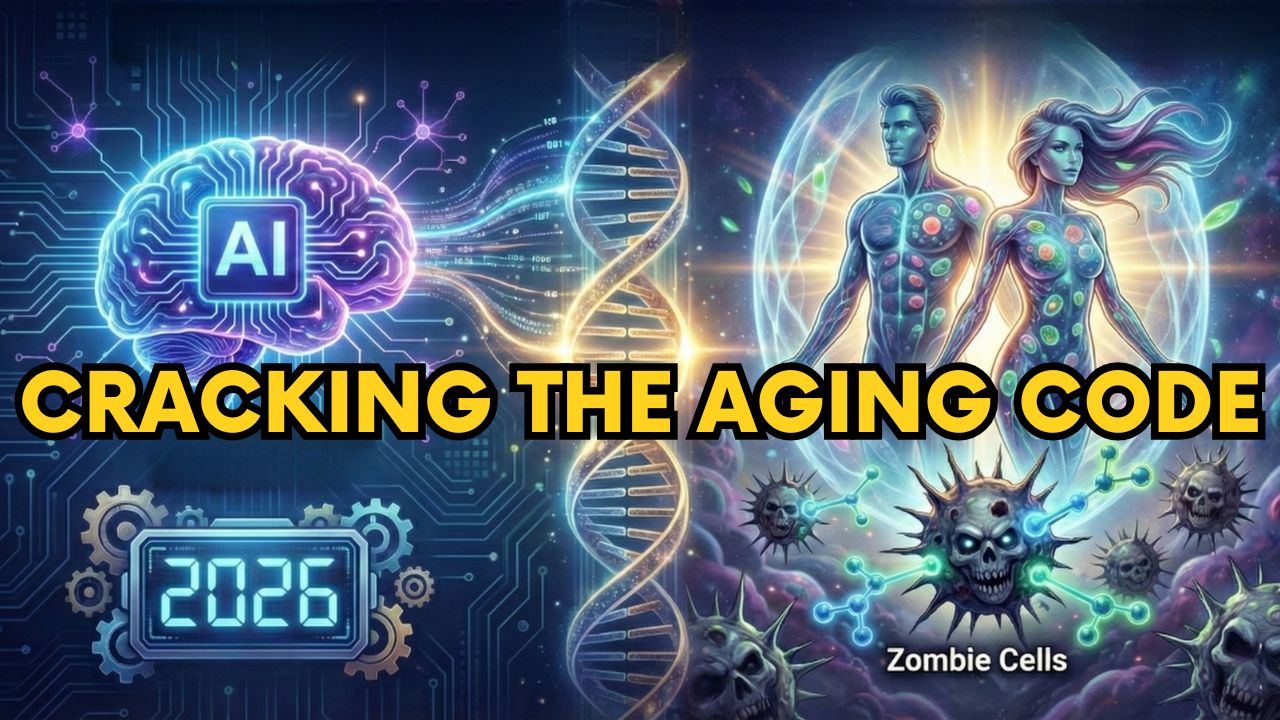
Is death just a technical problem waiting for a solution?
For all of human history, aging has been inevitable. A one-way street of decline.
But in 2026, a growing number of scientists and Silicon Valley billionaires are treating aging not as a fact of life, but as a "software error" in our biology, one that Artificial Intelligence can debug.
This is the most ambitious sector of all. Preventative medicine trends 2026 are focused not just on keeping you alive, but on keeping you young.
We are no longer just theorizing. From "Zombie Cells" to generative biology, we explore how AlphaFold 3 impact on medicine and AI drug discovery aging reversal are accelerating the race to cure death.
The question is no longer "if" we can slow aging, but "when" these therapies will hit the market.
Explore The AI Health & Longevity Hub
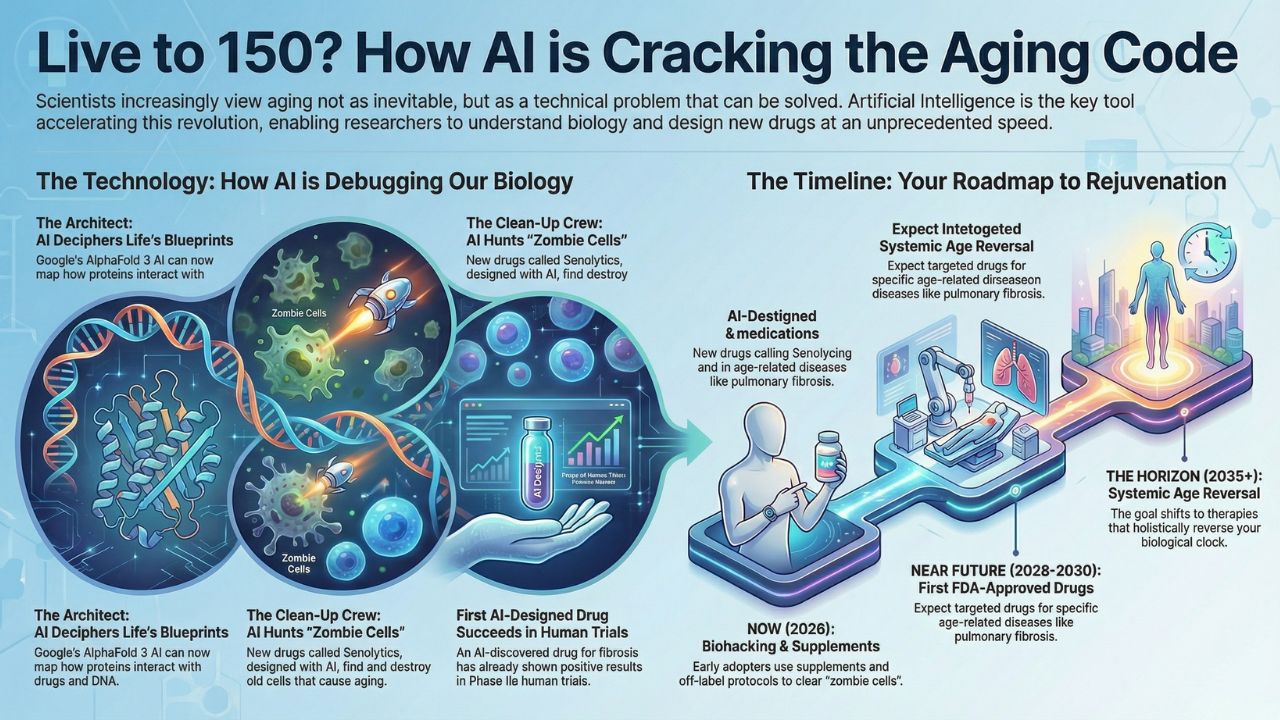
1. The Architect: AlphaFold 3 & The Protein Revolution
To fix the body, you must first understand the building blocks.
Proteins are the machinery of life. Until recently, figuring out the shape of a single protein took years of lab work.
Then came Google DeepMind's AlphaFold.
The Breakthrough: In 2026, AlphaFold 3 doesn't just predict protein shapes; it predicts how they interact with DNA, RNA, and drug molecules with near-perfect accuracy. It can model the entire "cellular soup."
The Impact: This has supercharged generative AI for protein folding. Scientists can now "simulate" millions of potential anti-aging drugs in a virtual environment before mixing a single chemical. It’s like running a clinical trial in the cloud, cutting drug discovery time from years to months.
2. The Clean-Up Crew: Senolytics & "Zombie Cells"
Why do we get frail? One major culprit is Cellular Senescence.
As we age, some cells stop dividing but refuse to die. These "Zombie Cells" accumulate in our tissues, spewing out inflammatory toxins that age the healthy cells around them.
The Solution: Senolytics. These are a new class of drugs designed to hunt down and kill these zombie cells while leaving healthy cells unharmed.
The AI Edge: Finding a molecule that kills only the bad cells is incredibly hard. But senolytics and AI research have identified compounds that act as snipers.
Real-World Proof: This isn't sci-fi. Insilico Medicine recently announced positive Phase IIa results for their AI-designed drug targeting TNIK, a protein driver of fibrosis and aging. This is the first time a drug discovered and designed by AI has successfully reversed disease markers in humans.
3. The Timeline: When Can I Buy "Youth"?
We all want to know "When will this be available at my pharmacy?"
While we aren't immortal yet, the roadmap for digital biology and life extension is accelerating:
- Now (2026): AI drug discovery aging reversal is already producing supplements and off-label protocols (like Rapamycin and Fisetin) used by biohackers to clear zombie cells.
- Near Future (2028-2030): The first FDA-approved Senolytics for specific age-related diseases (like Pulmonary Fibrosis or Kidney Disease) are expected to launch.
- The Horizon (2035+): Systemic rejuvenation therapies, drugs that actually "reverse" biological age clocks rather than just slowing them down.
The Verdict: Can AI Reverse Biological Aging?
The science suggests "Yes", but it won't be a single pill.
The future of biotech 2026 is a multi-pronged approach: clearing waste (Senolytics), repairing damage (Gene Editing), and replacing parts (3D Printed Organs). AI is the conductor orchestrating this complex symphony.
We may be the last generation to accept aging as inevitable.
Frequently Asked Questions (FAQ)
AI itself cannot reverse aging, but it is the tool effectively inventing the drugs that might. By identifying new targets (like the TNIK protein in "Zombie Cells") and designing molecules to hit them, AI is solving biological puzzles that were previously too complex for human minds.
AlphaFold 3 is an AI model that predicts the 3D structure of biological molecules. Its massive impact on medicine comes from its ability to simulate how potential drugs will bind to our DNA and proteins. This allows scientists to design "perfect" medicines that have fewer side effects and higher efficacy before they ever enter a lab.
Currently, most "longevity drugs" are still in clinical trials. While supplements like Quercetin are available, true senolytics can have potent side effects. Always wait for FDA-approved clinical trials. The success of Insilico Medicine's trials proves these drugs can be safe, but they must be tested rigorously.
Sources and References
Disclaimer: This content is for informational purposes only and does not constitute medical advice.